Ever wonder how those cinematic, magazine-style portraits are created? Take a behind-the-scenes look at Britt’s rainy night fashion shoot at Fisherman’s Wharf in Victoria BC, photographed on film using creative lighting, double exposures and a variety of analog film stocks.
When I have photos scheduled for blue hour and night on film, I’m always hoping to find areas where there is a lot of ambient light – shadows are not our friend when it comes to analog photography. That’s why I was super stoked to see an empty, completely sheltered outdoor space illuminated with coloured lights when I was visiting friends who live in a float home on Fisherman’s Wharf. For Britt’s cinematic fashion shoot, the location was a no-brainer. Britt came with a great energy, and we laughed so much my stomach hurt. Victoria BC in the spring is always a crap shoot and the rain was cold and hit us on and off, but we were able to stay dry and somewhat warm because of the vinyl tarp wall. I had a wand light that also changed colours and it worked awesome for creating a studio-like set. I used several types of film, including Kodak Ultramax and Kodak Ektacolor 800 35mm, and Cinestill 800T 120 medium format. For fashion editorial sessions, I experiment a lot using shiny dollar store objects to create foreground bokeh and special FX lens filters. All techniques were done within the camera and I’m so grateful to the Canadian Film Lab for always doing such a great job with developing and scanning. For photography geeks out there, I’ve written out how I achieved the shots under each photo.
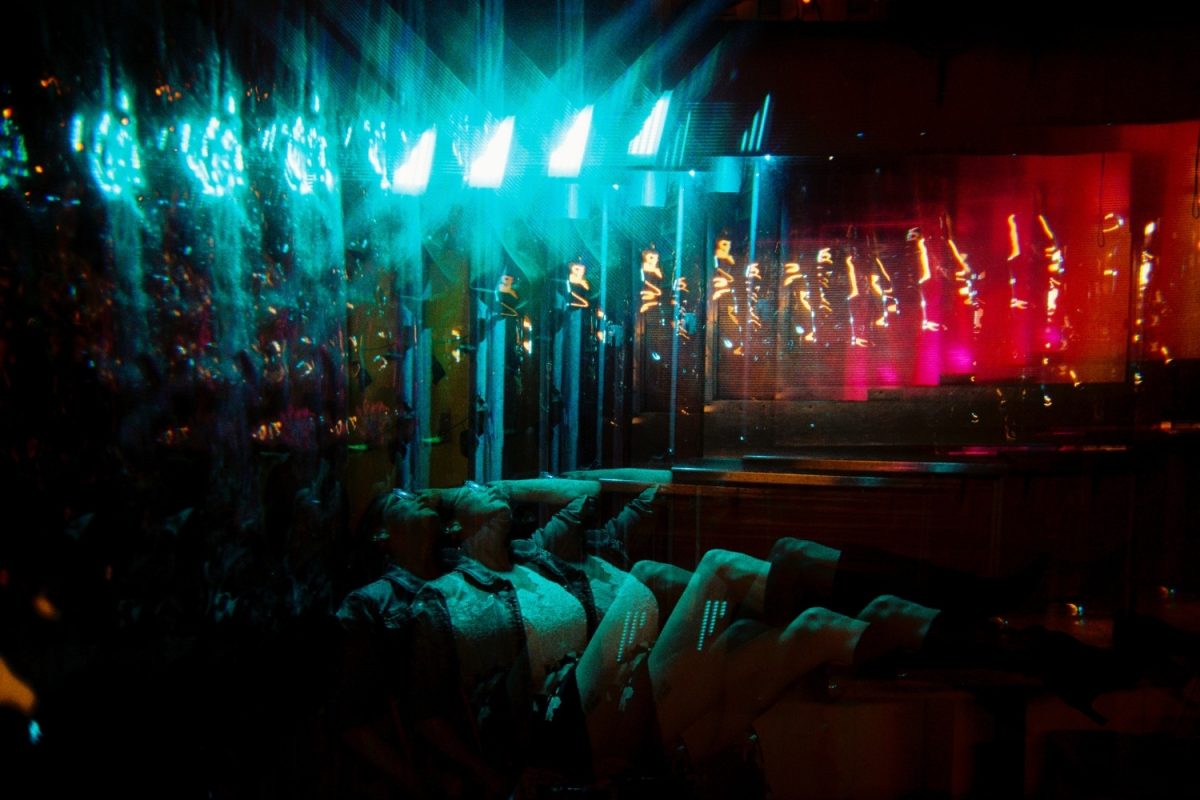
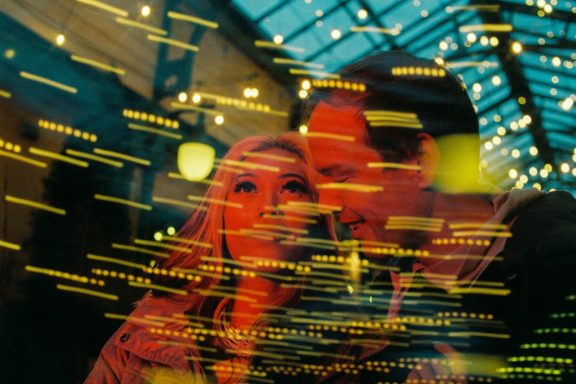
The light for this photo was almost all ambient and I used a linear kaleidoscope style SFX filter to create the effect. This one was created with Kodak Ultramax 400 35mm film. I also had an 8-point star filter on my lens.
Below you can see a bit more of the set-up with all the ambient lights creating a really cool backdrop. The first image below is Kodak Ektacolor Pro 800 and the next two are Kodak Ultramax. Can you tell the difference?
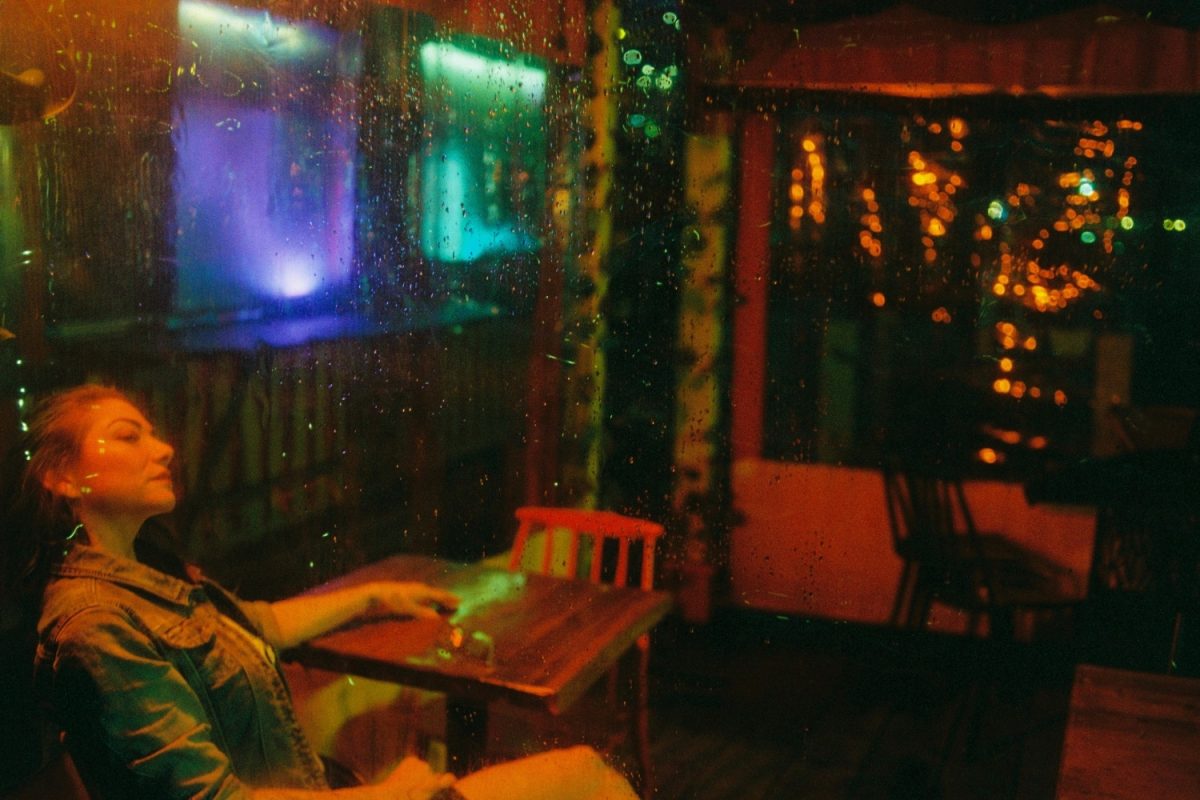
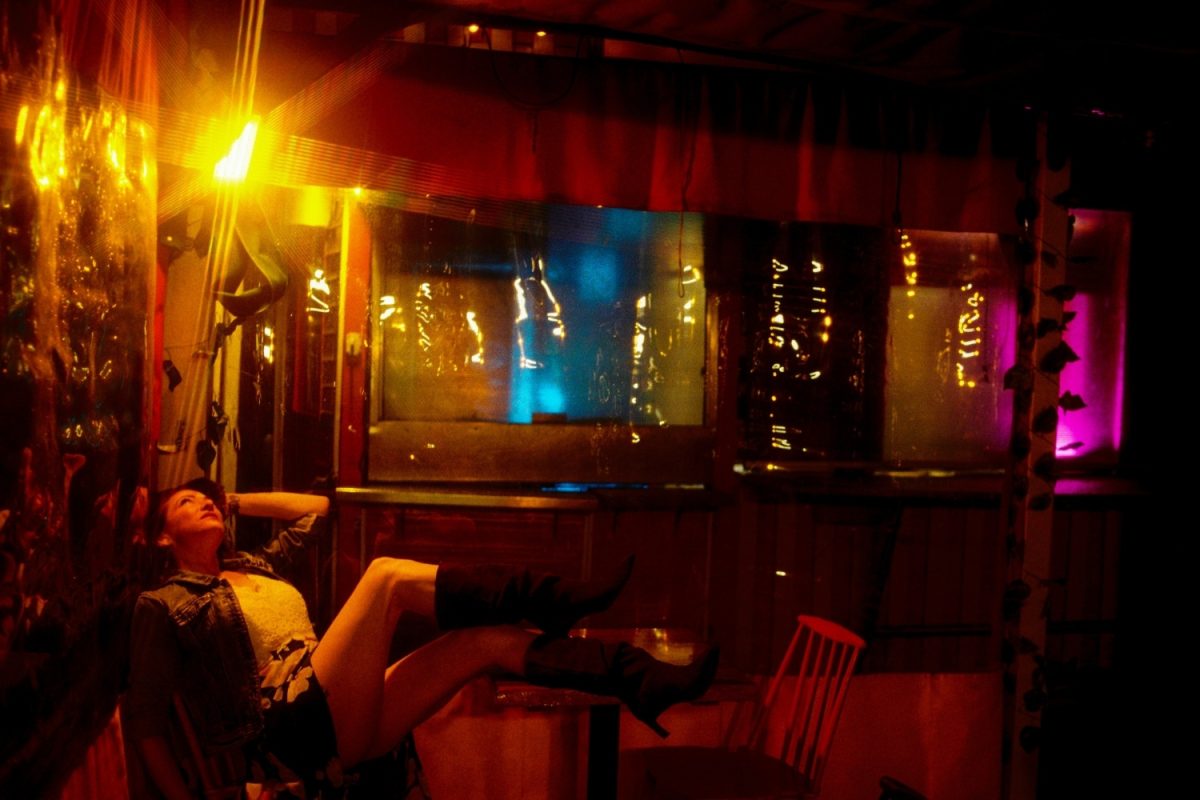
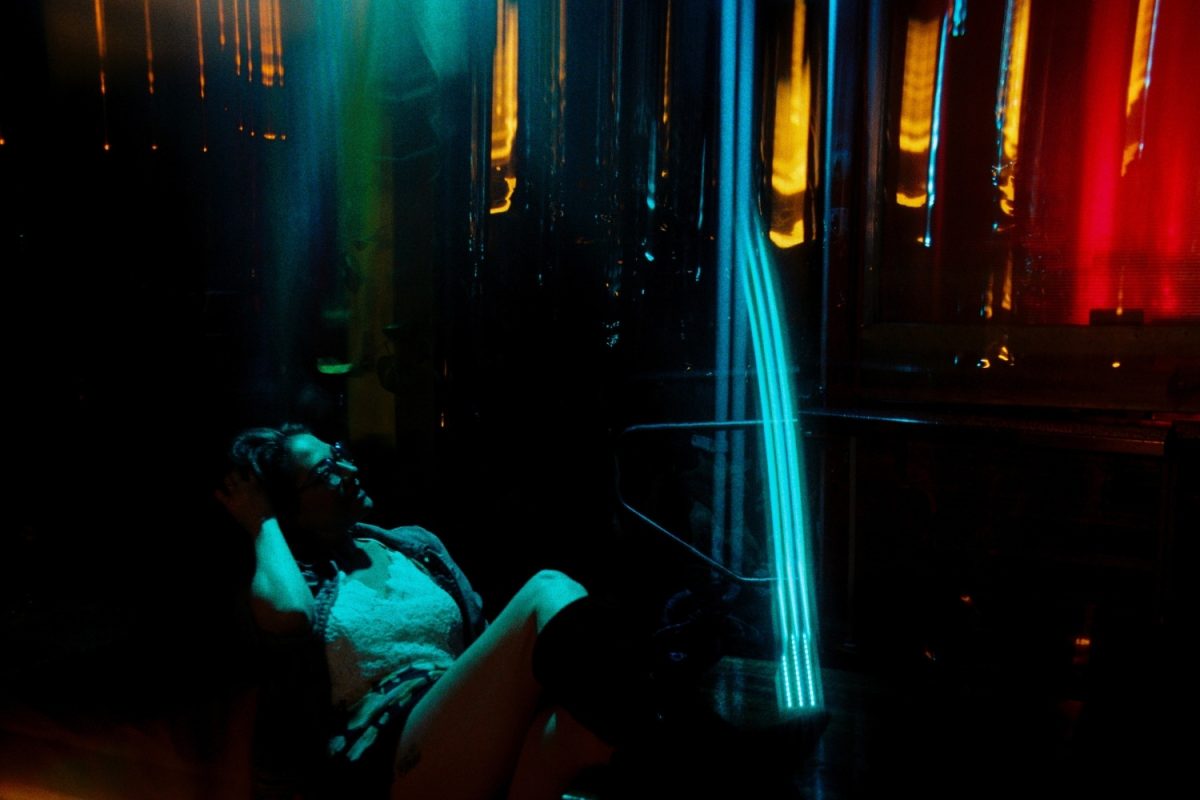
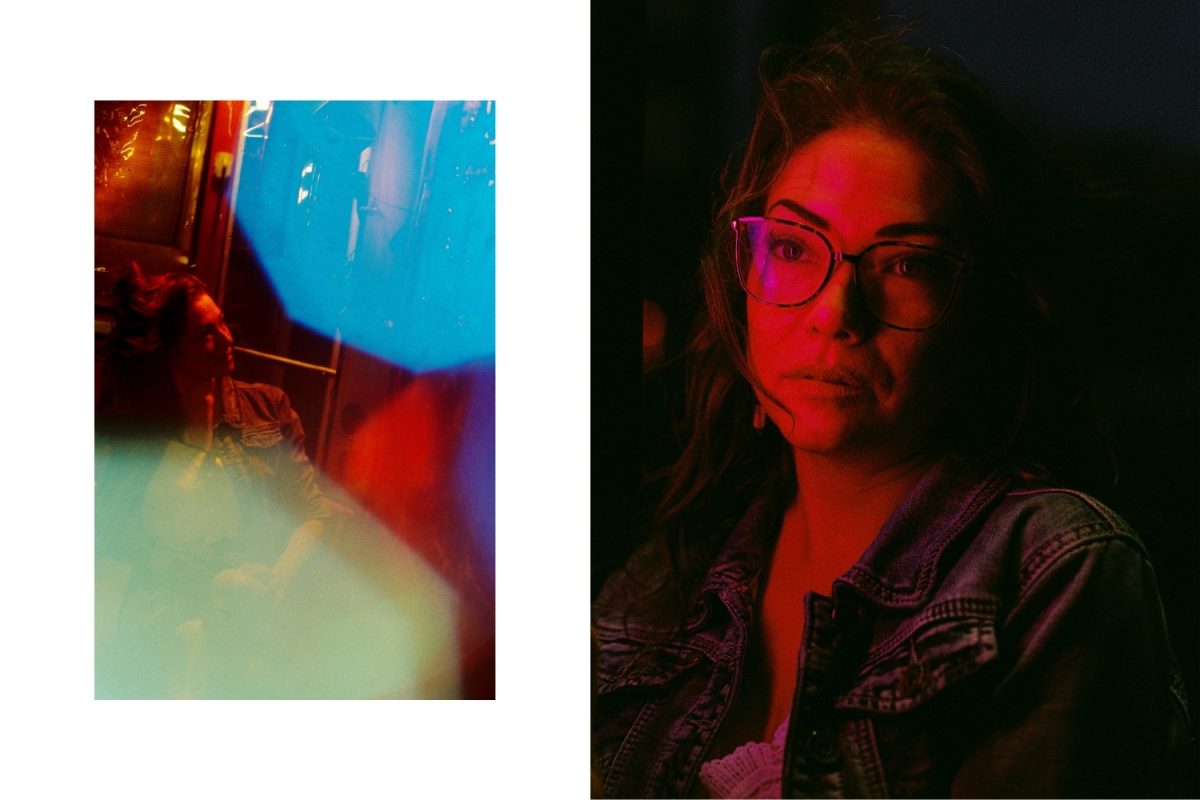
Unlike digital, film photography needs lots of light and underexposing means the photos turn very muddy. I always have to challenge myself to expose for the shadows and over-expose the highlights, then my lab will do it’s thing with adding contrast and darkening the blacks during the scan. One thing I like about Kodak Ultramax is that it is already really vivid and saturated, and the blacks can go deep so I can work with this kind of tricky setting and still get a result I want. The photo above is a double exposure. I protected the bottom half of the frame from light and then created a motion-blur with the background light, then I protected the top frame and photographed Britt.
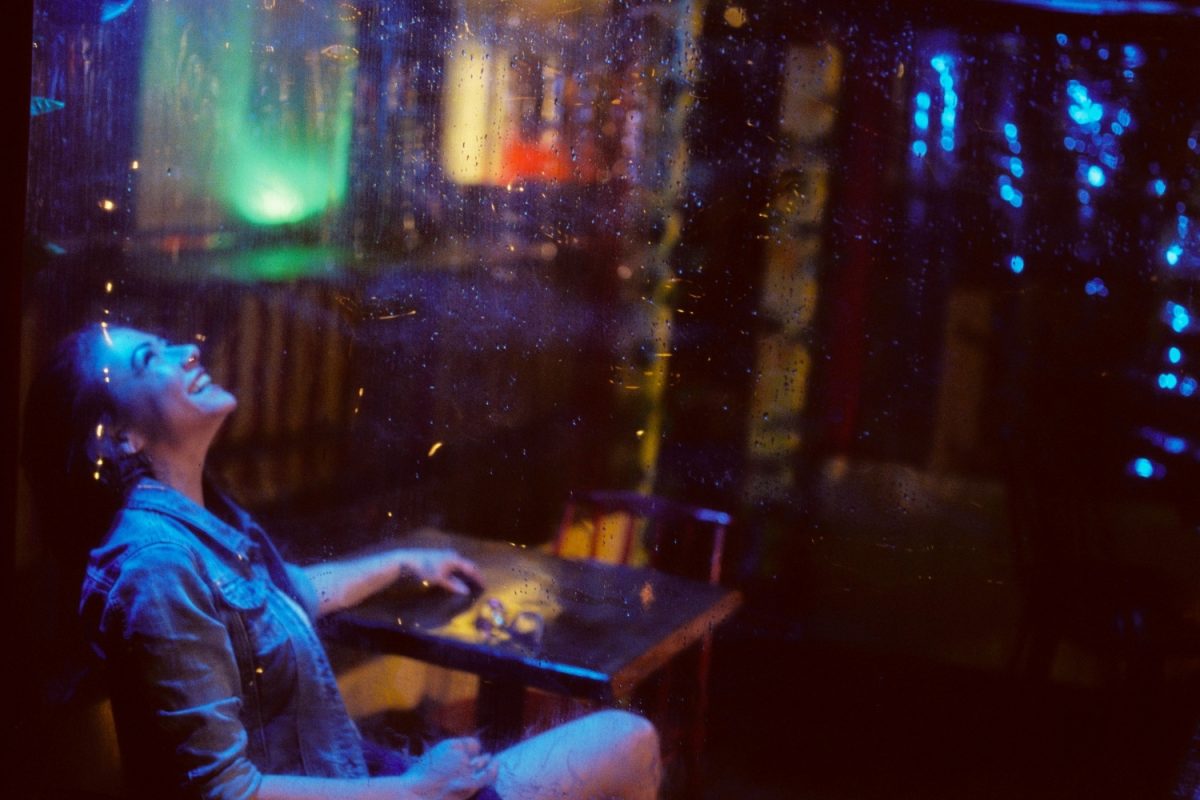
The colours at the restaurant changed every minute so you only needed to wait a beat for the entire atmosphere to change. I asked Britt to lean her head back so the overhead light to illuminate her face without heavy panda shadows. This image was created with my medium format camera, a Pentax 645nii using Cinestill 800T film, which was originally a Kodak motion picture stock that Cinestill has respooled and tweaked so it can be shot with a still camera. This is a tungsten balanced film, designed for cooling down warm indoor light and I think it worked great for this scene. I also really like that although 800 ISO film is grainy, the Cinestill really does well with contrast and blacks. It makes for a really crisp image, despite all the shadows. Below shows how Cinestill handles the warmer-toned lights.
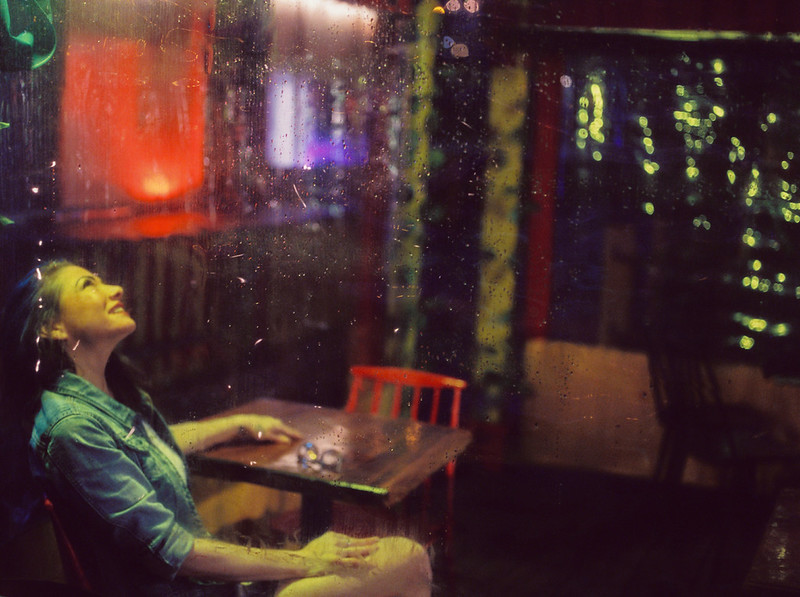
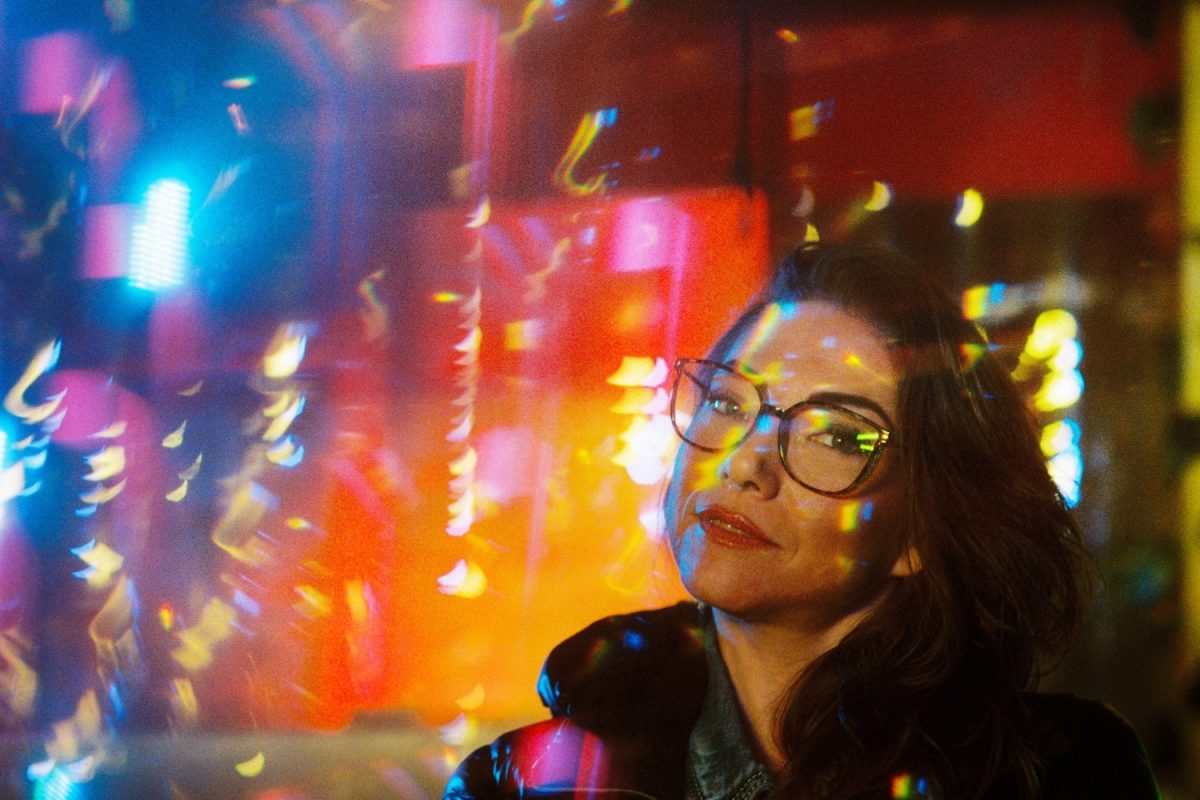
Another double exposure on Kodak Ektacolor Pro 800 35mm film. The first click was of Britt and the second I shook the camera and allowed for some motion blur.
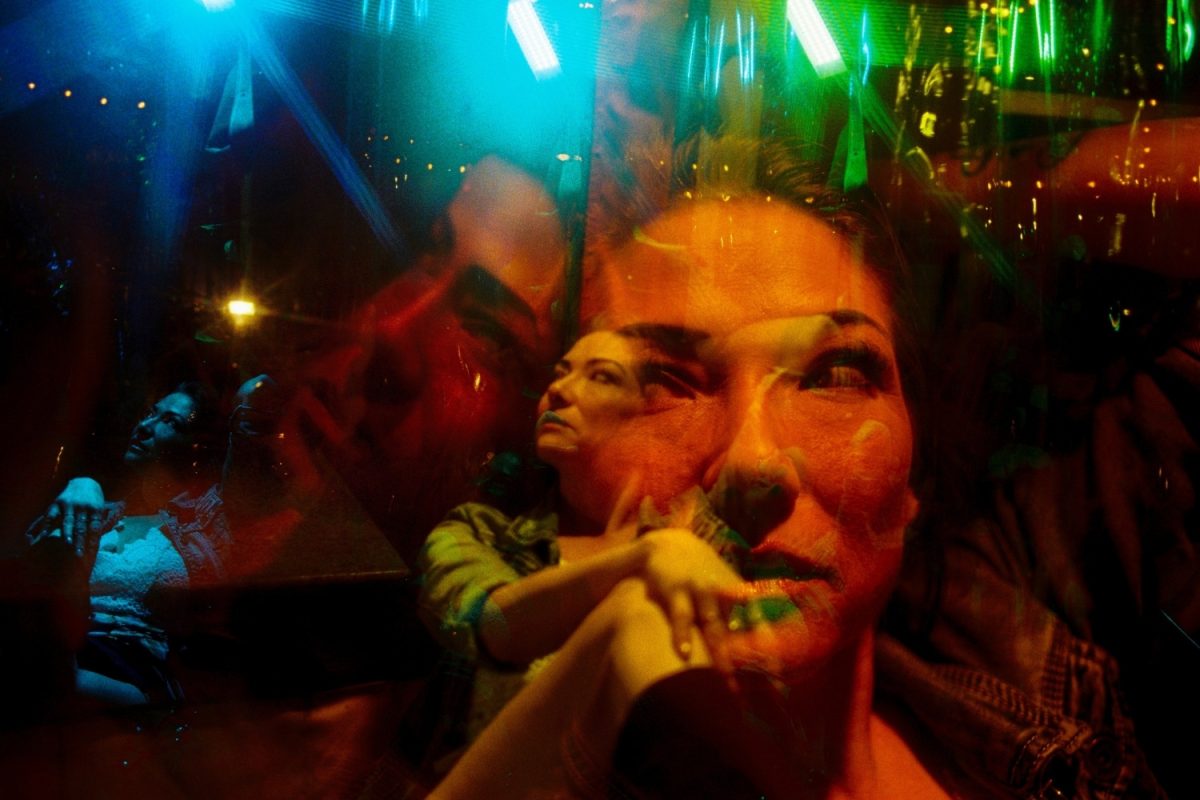
A triple exposure on Kodak Ultramax. The closeup of Britt also has a reflection from the vinyl wall enclosing the restaurant. I waited for the restaurant lights to change from blue to orange to red and zoomed in and out for each click.
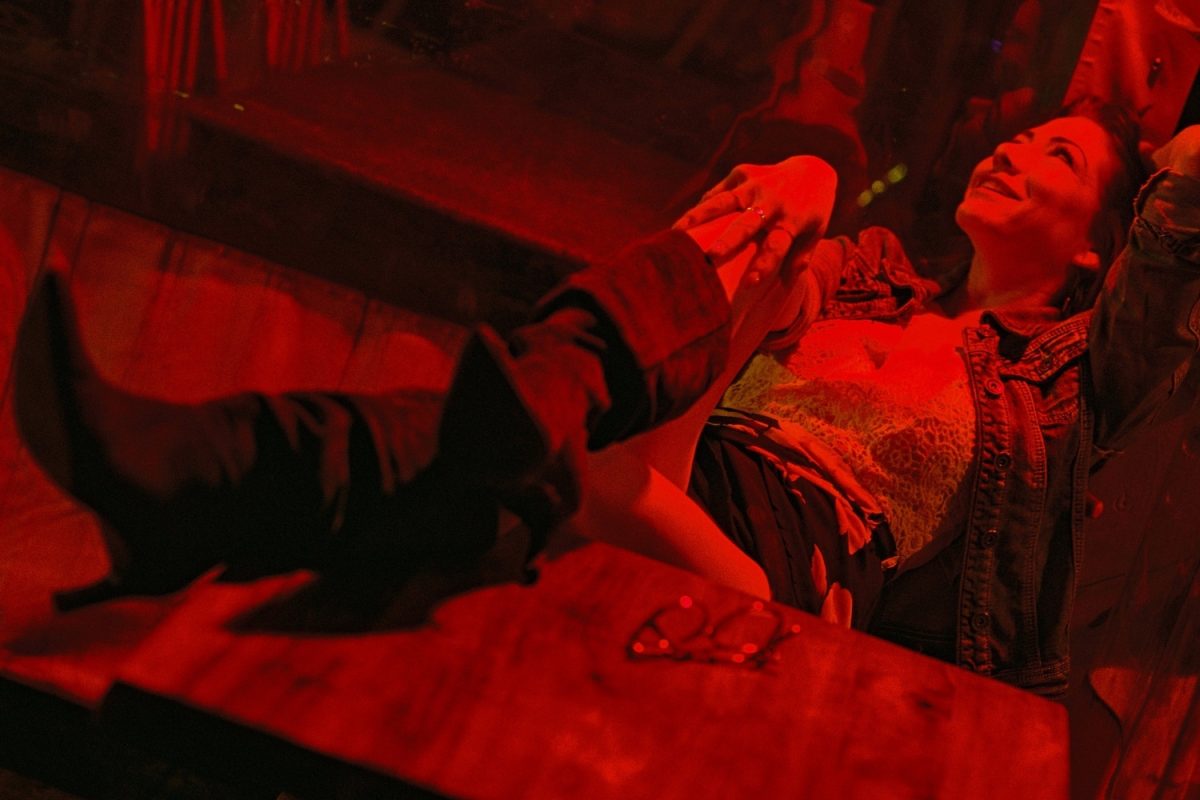
Above and below: Kodak Ektacolor 800 35mm film. The next two images I used shiny dollar store objects to distort the foreground.
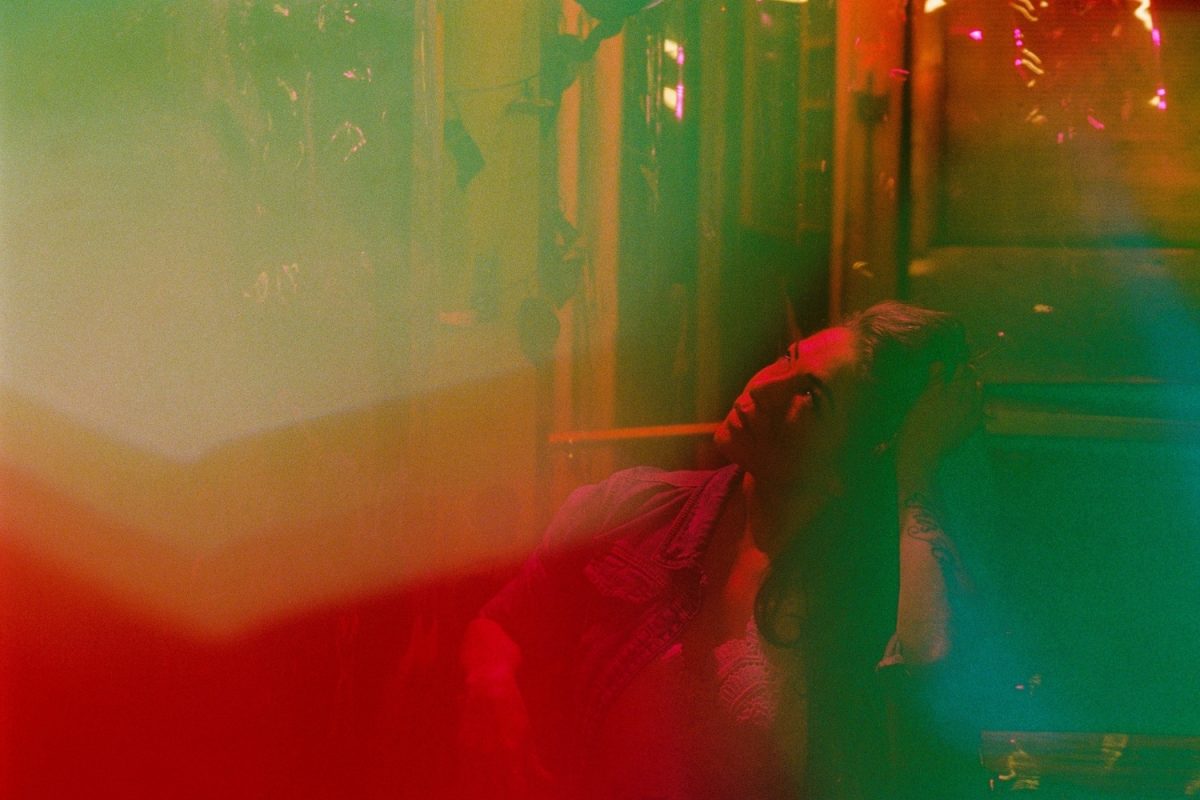
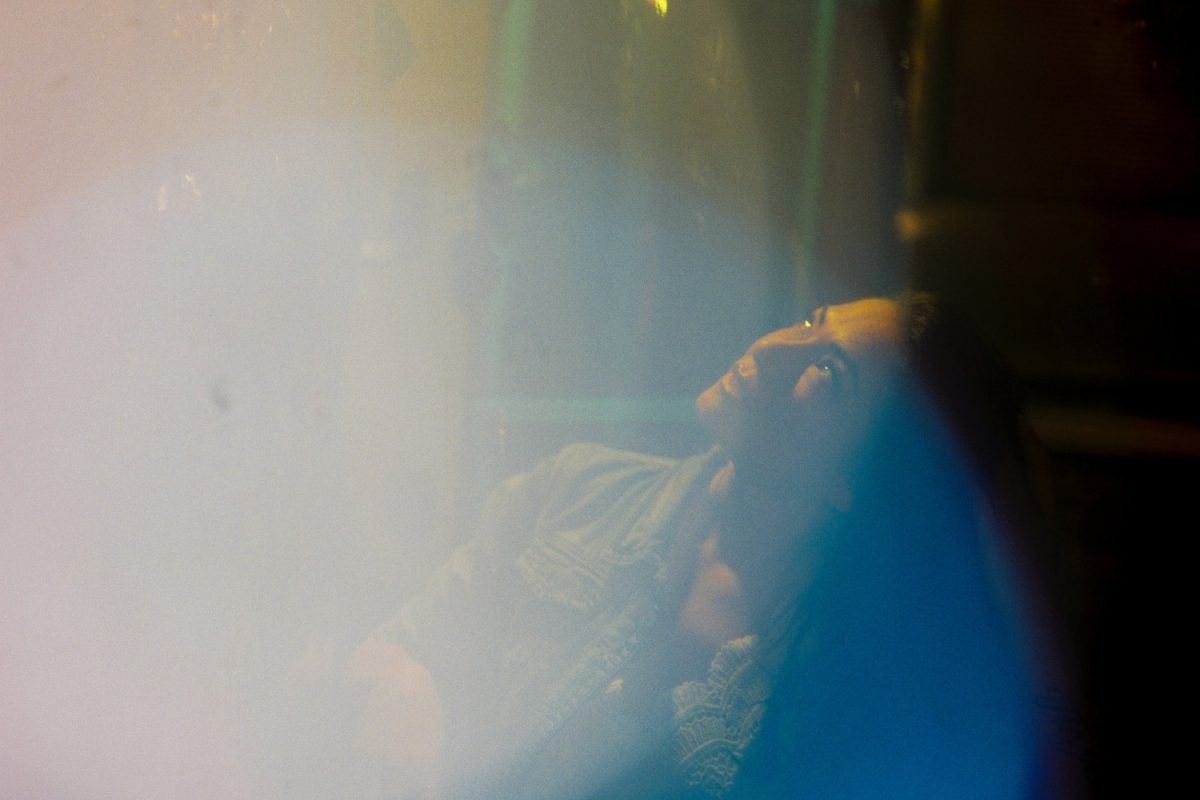
Above Cinestill 800T film. Below, Kodak Ultramax.
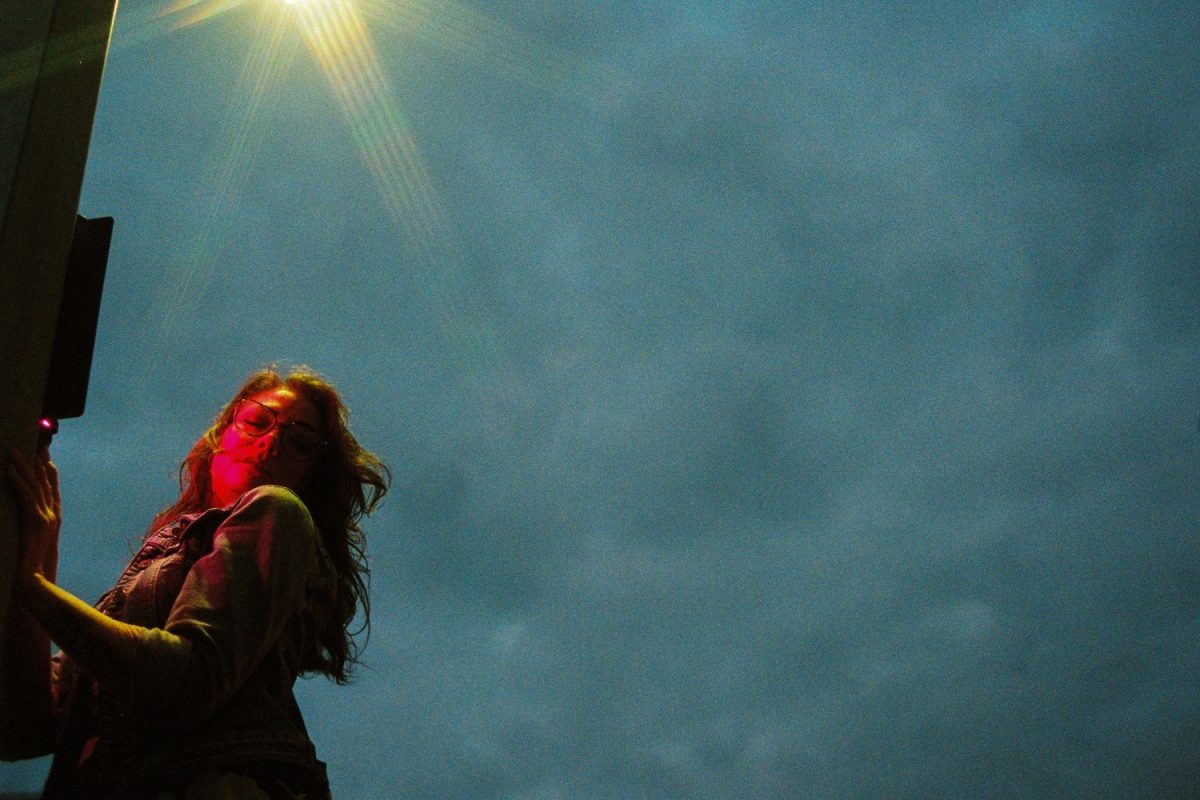
The rain only stopped for a few minutes and this was one of the few pictures we took outside. I illuminated Britt with a red video light on a tripod and I had an 8-point star filter on the lens to bring out the streaks from the street light. I find images like this need to be taken during blue hour before the sky gets too dark, otherwise it would be too much negative black space. Kodak Ektacolor Pro 800.
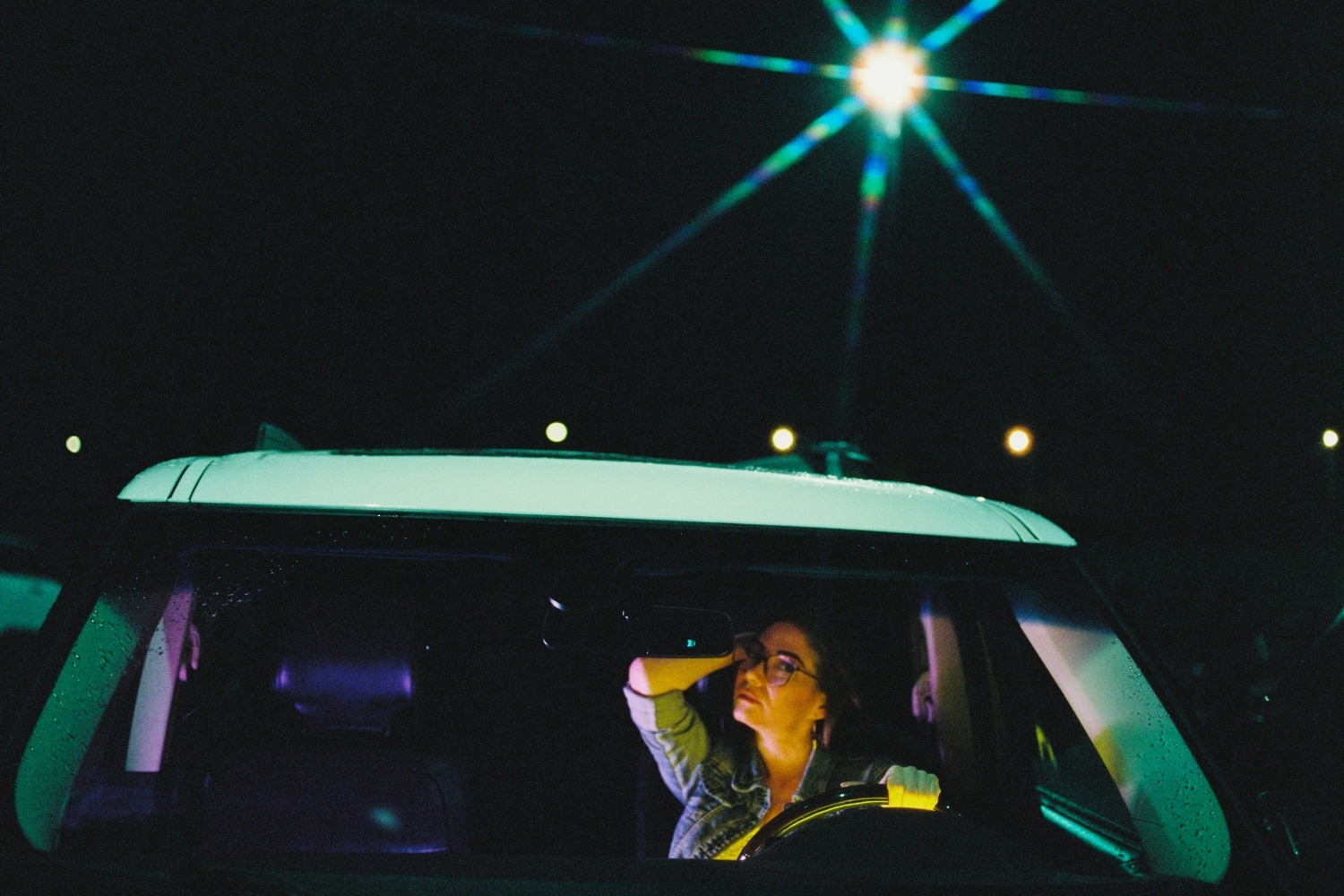
Our last stop was Britt’s car, which was parked right under another bright street light. I loaded her car with my two wand lights and some video lights. Again, I had the 8-point star filter on the lens to create light streaks. The shot in the mirror is a double exposure taken with Ektacolor Pro 800. The next were taken with Cinestill 800T 120 film.
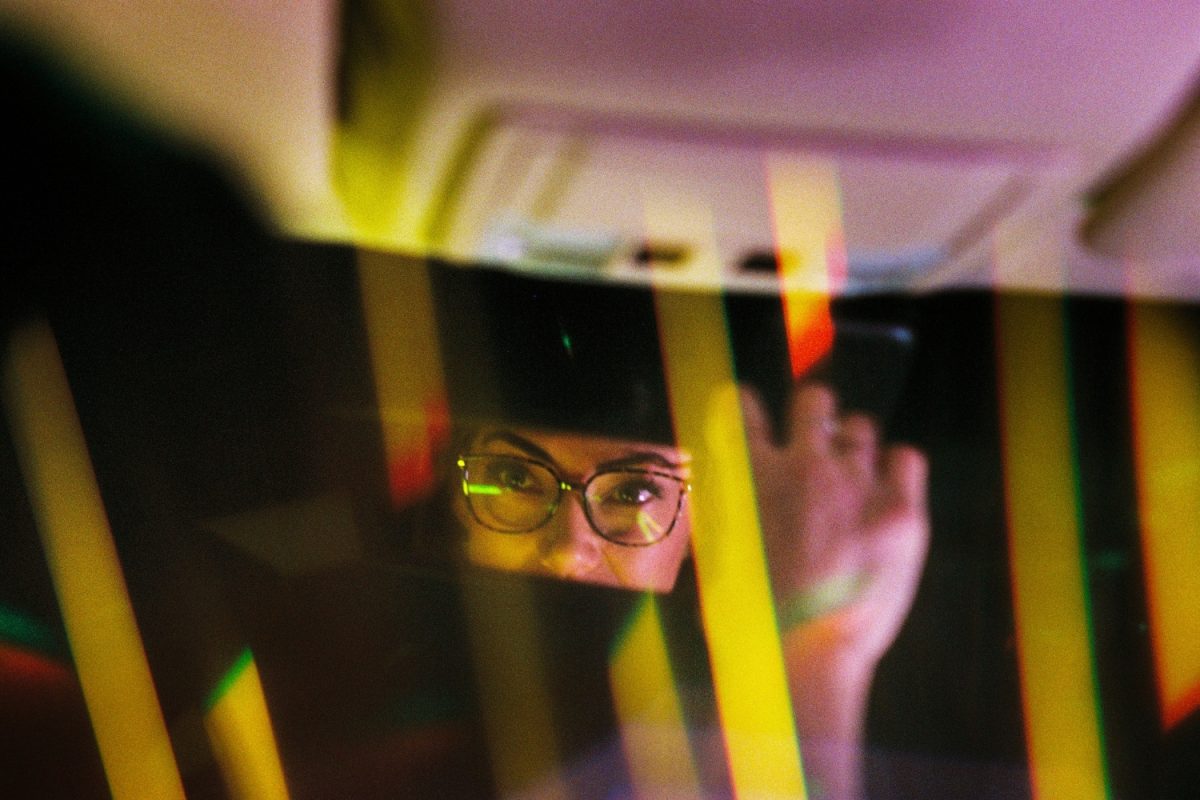
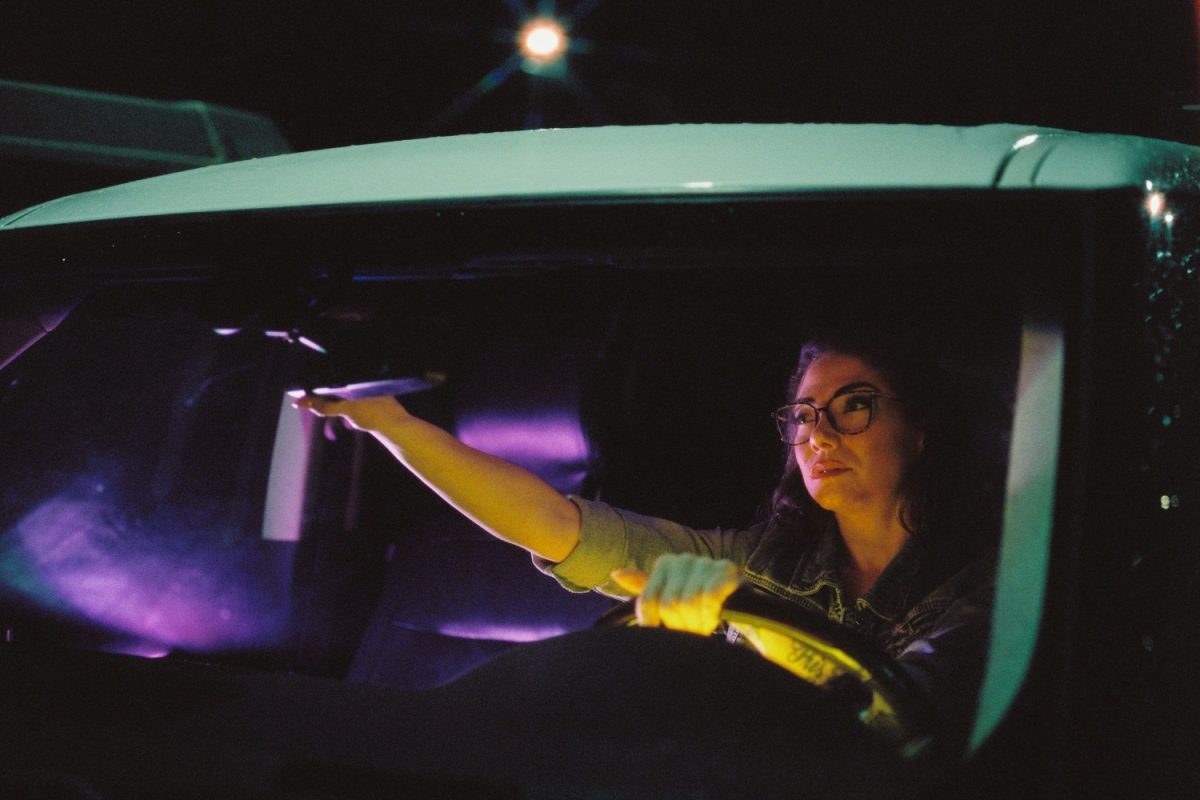
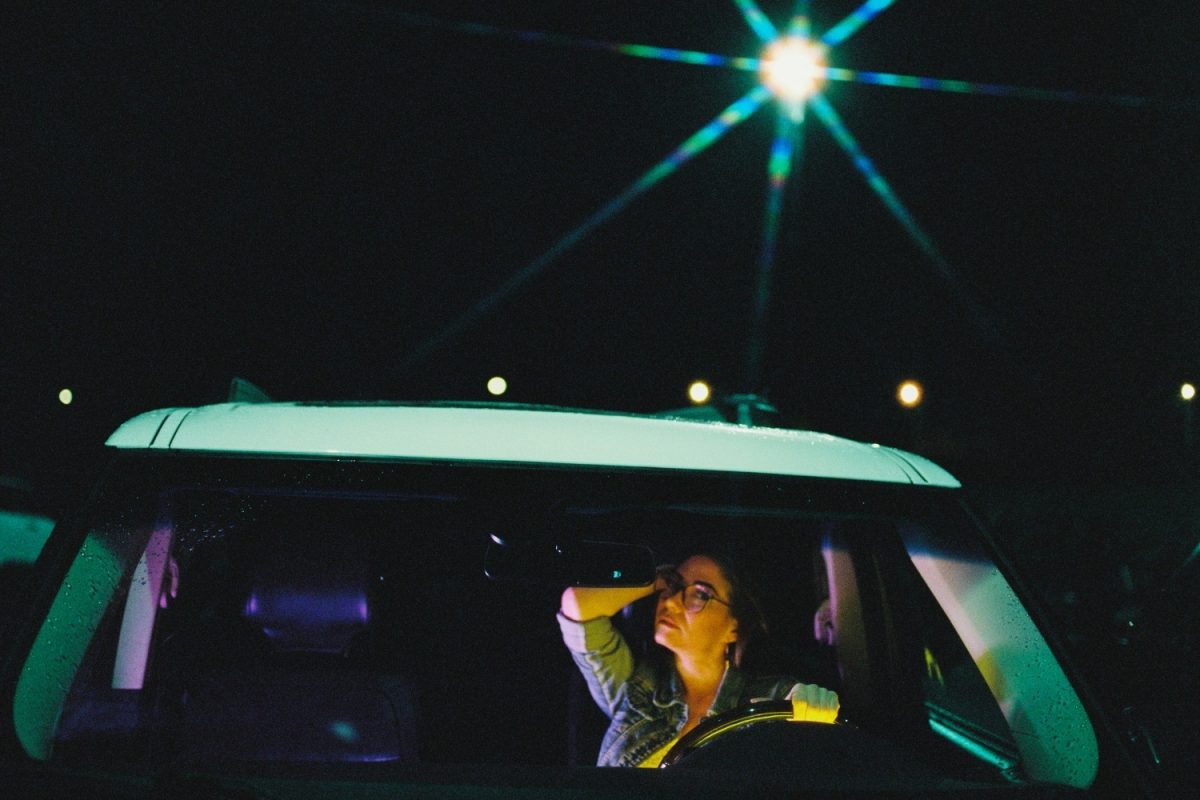
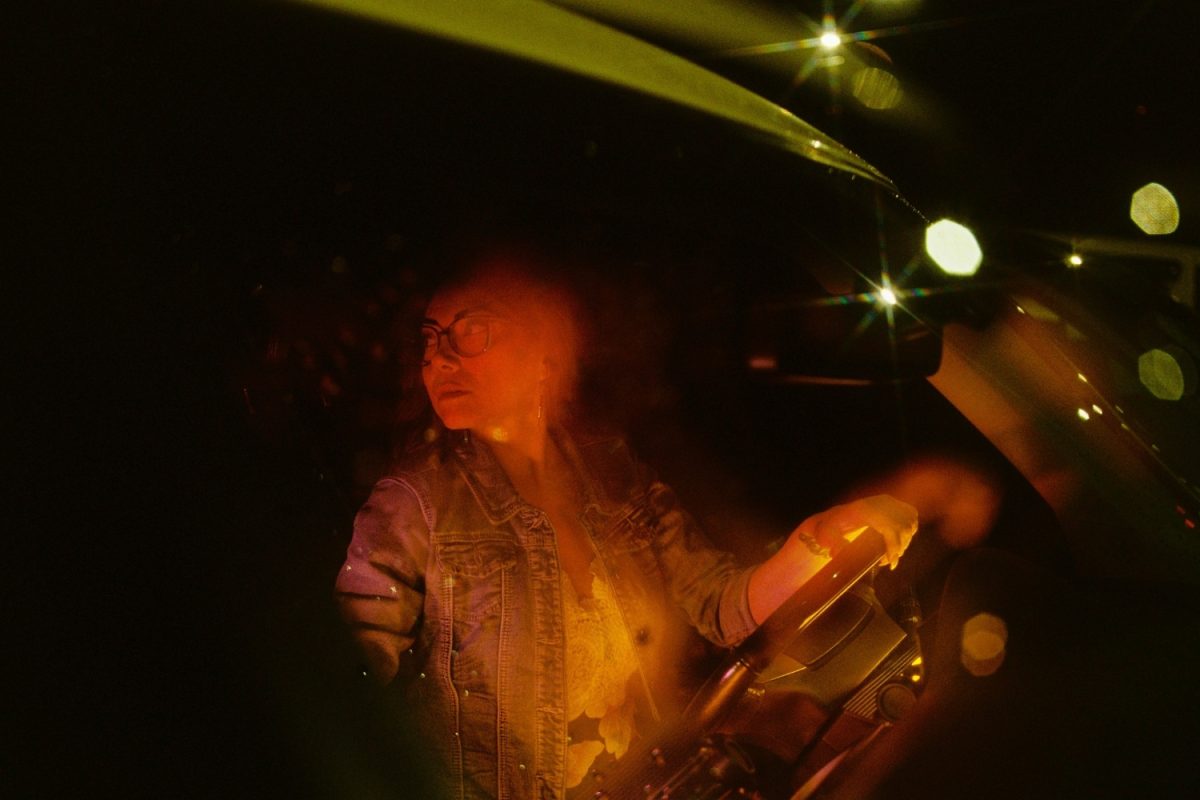
Above: Ultramax Below: Cinestill 800T
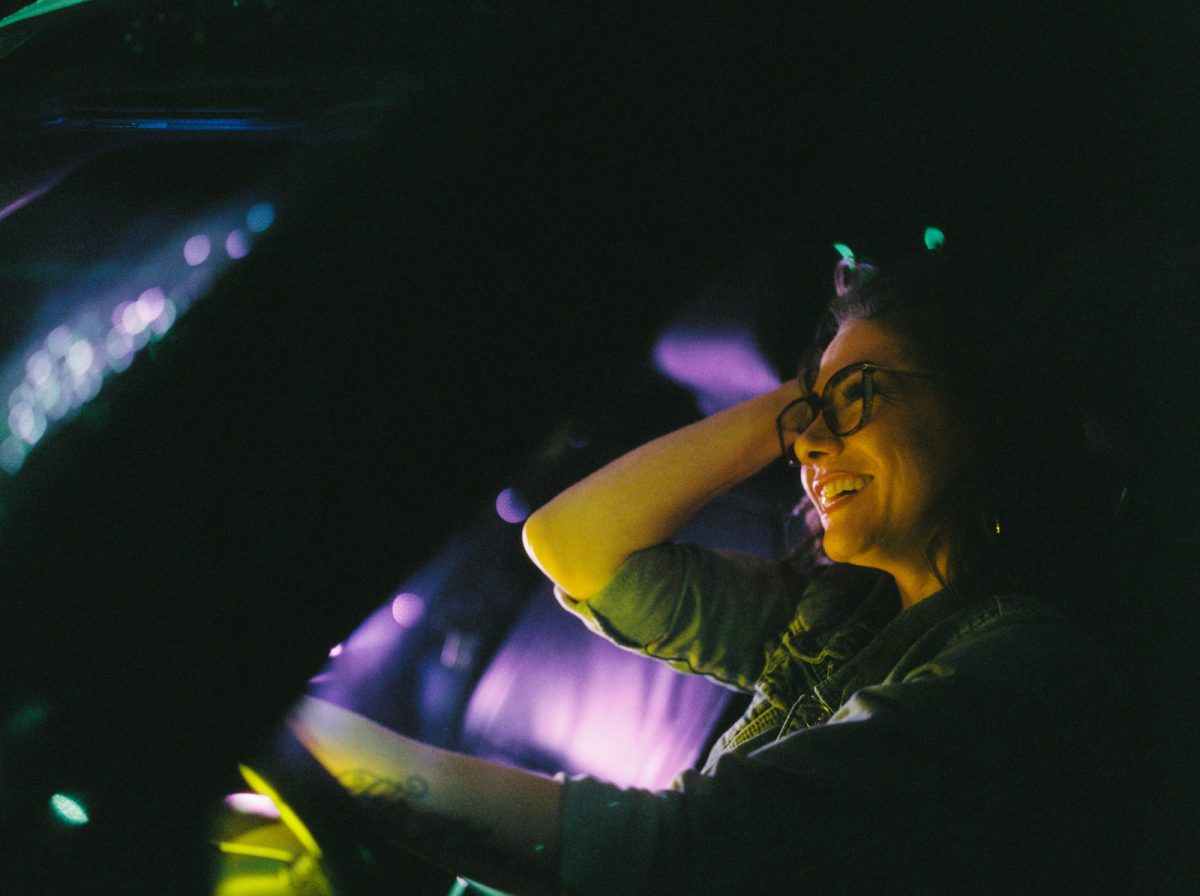
You don’t need to be a professional fashion model to have a fun shoot like this to celebrate you! A milestone at work, birthday, or transition in life is a great reason to have a cinematic set of portraits taken of yourself. Find out more on my fashion & bespoke photography page.
Not a photography or film geek? No worries if you don’t know anything about lighting, photography or film.I only nerd out when I’m writing about this stuff because I know other photographers are interested in the process. I will give you easy directions so you look like a total rock star and take care of all the rest behind the scenes!