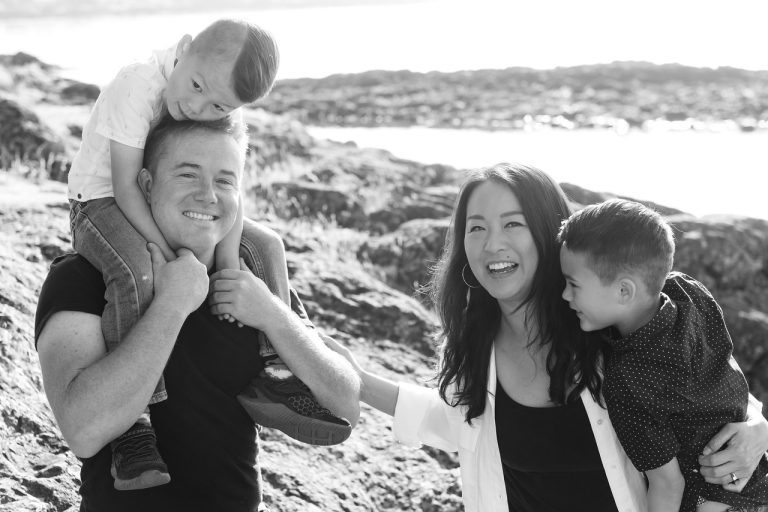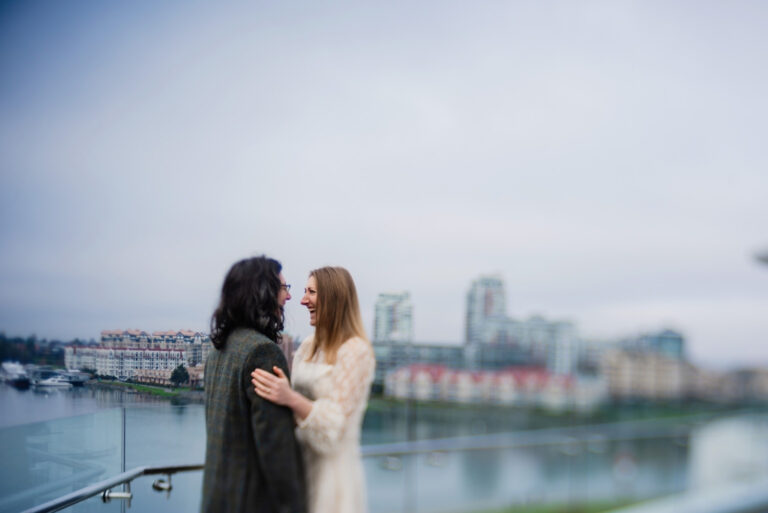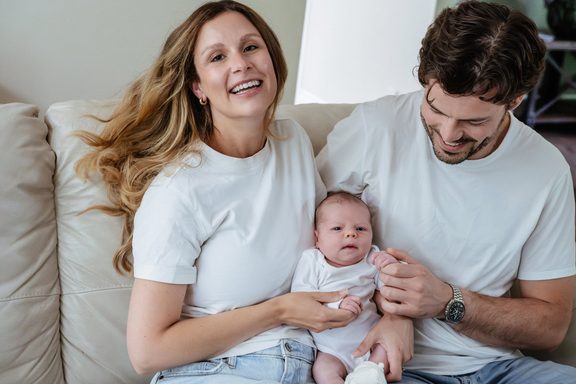
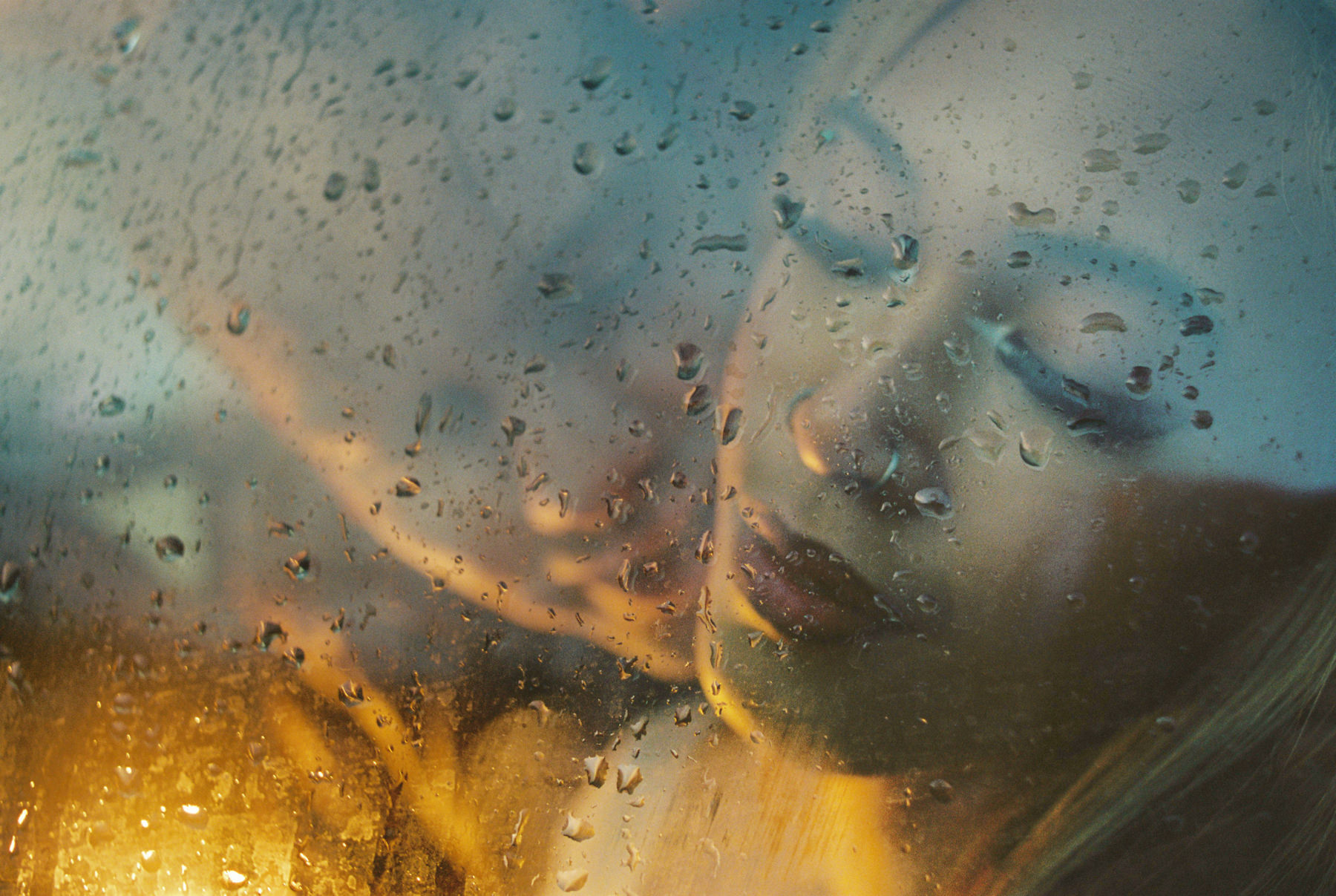
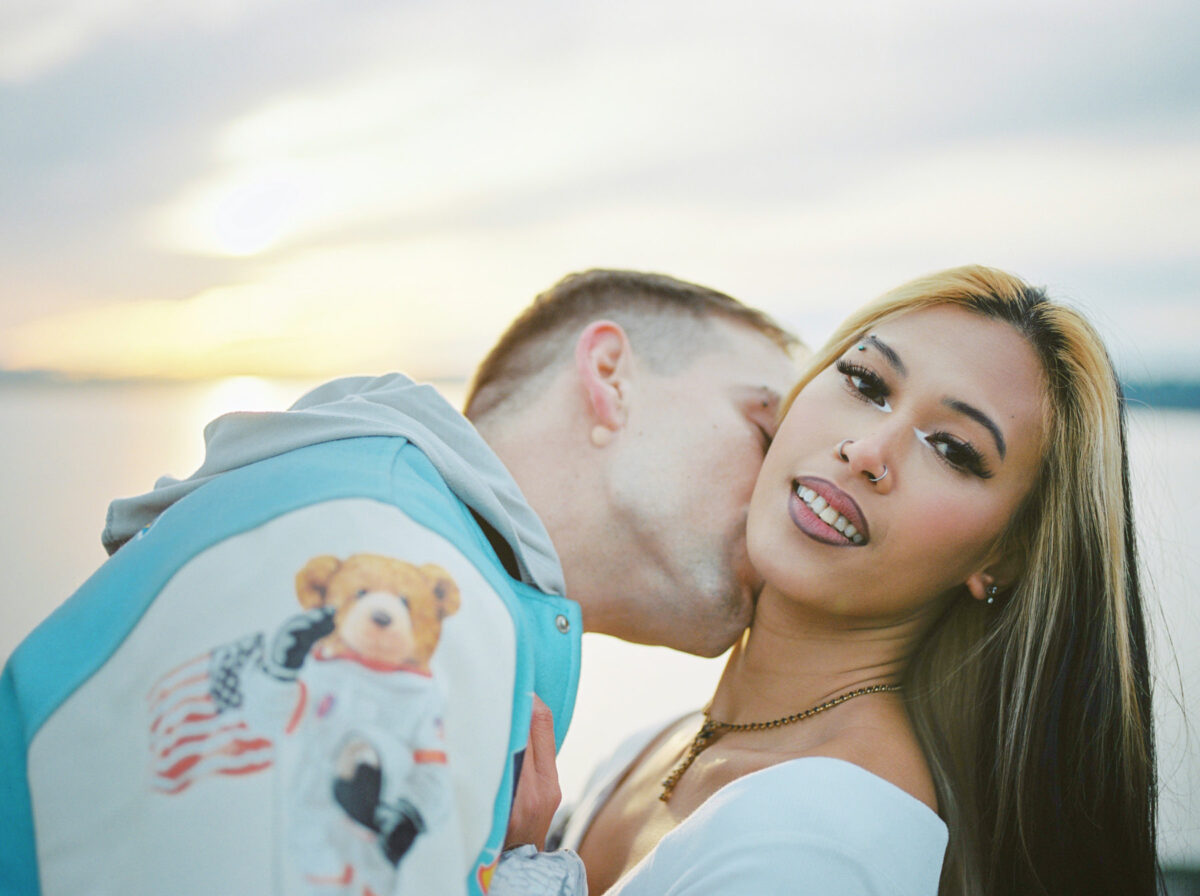
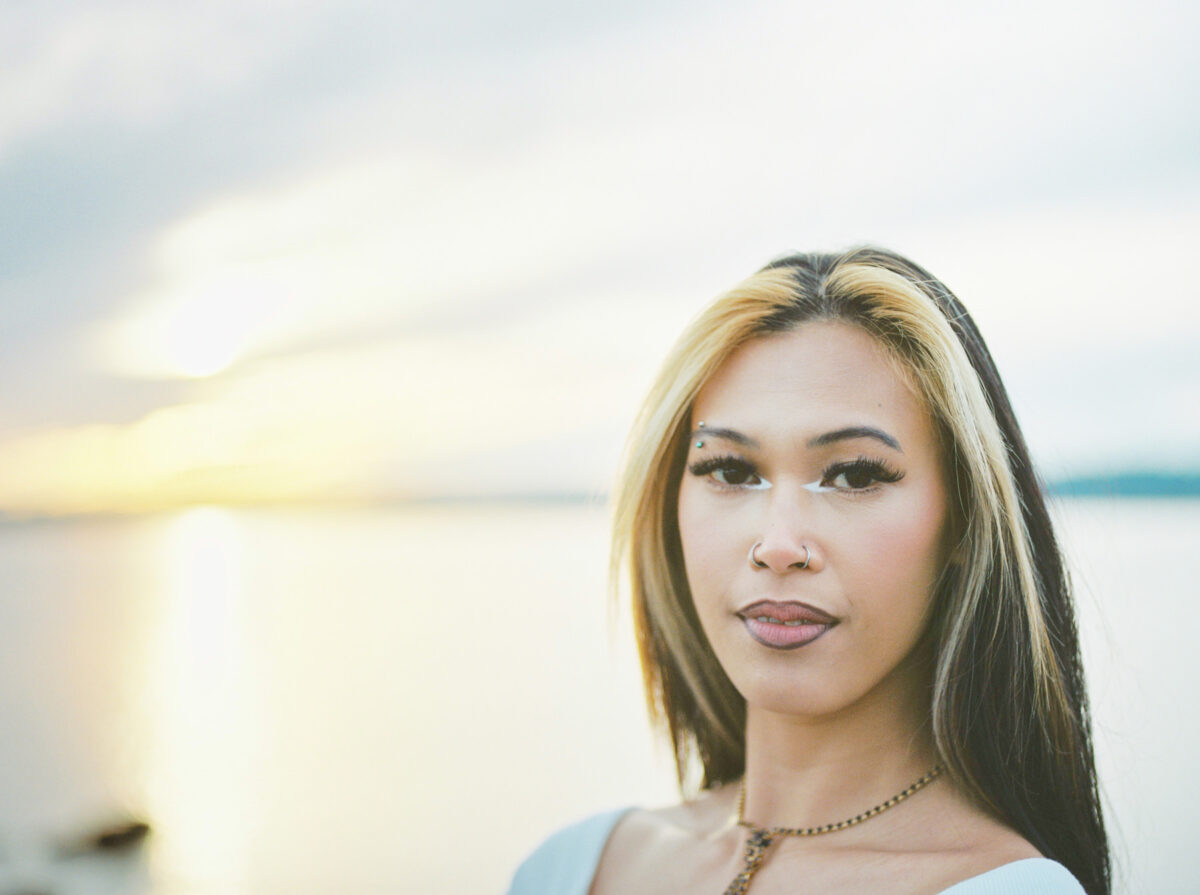
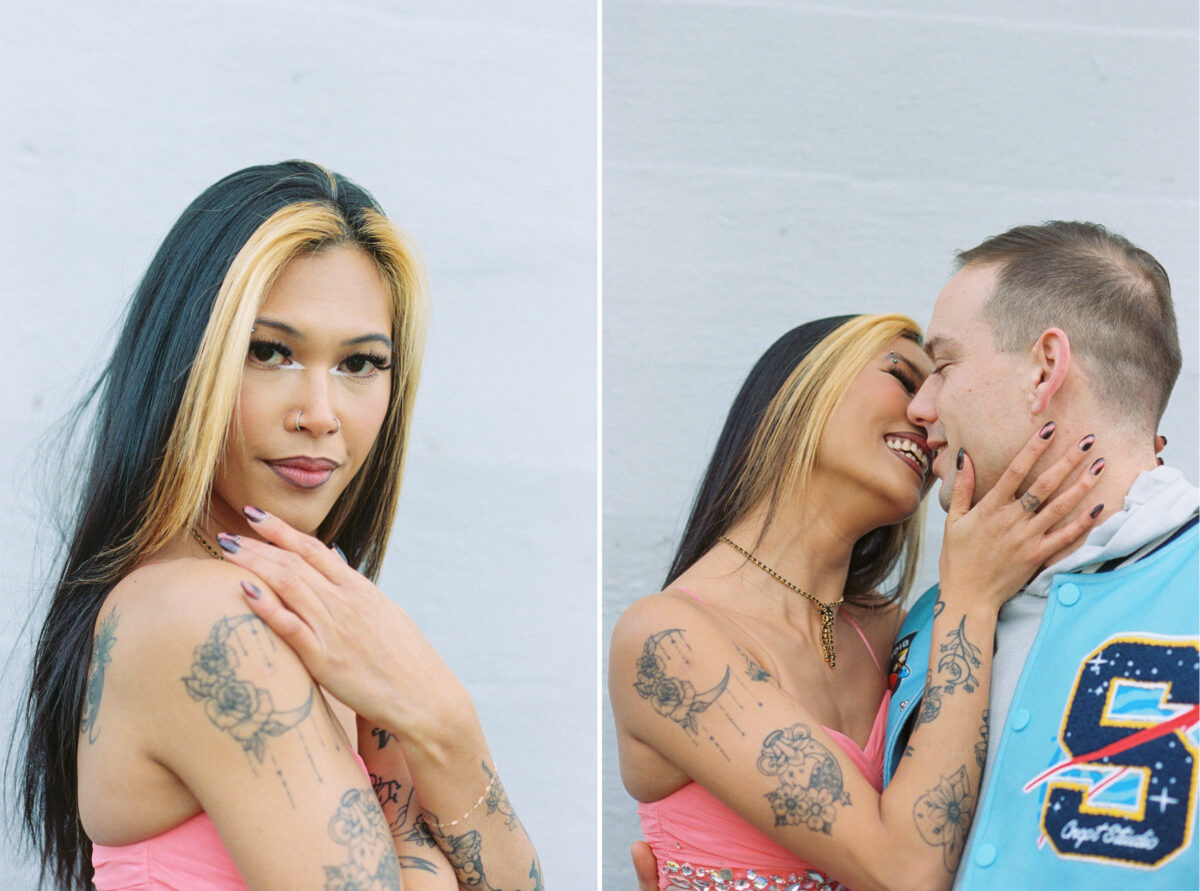
You’re going to have to bear with me as I gush over these two lovebirds who are celebrating their 10 year anniversary! I give people the choice of having their photo session either on analog film, digital or a combination of both and I was over the moon when Mary and Matthew chose 100% film for their sunset Macaulay Point Park couples portrait session in Victoria BC. I photographed these images mostly with Portra 400 35mm and 120mm (medium format) film, sneaking in an experimental roll of Fuji 400h that expired in 2023. Since a lot of people ask me, “why film? in this day and age”, or “do you create those effects within the camera or is it Photoshop?” I thought I’d share more information about my process. Spoiler alert – no AI or fancy Photoshop was used in the making of these portraits.
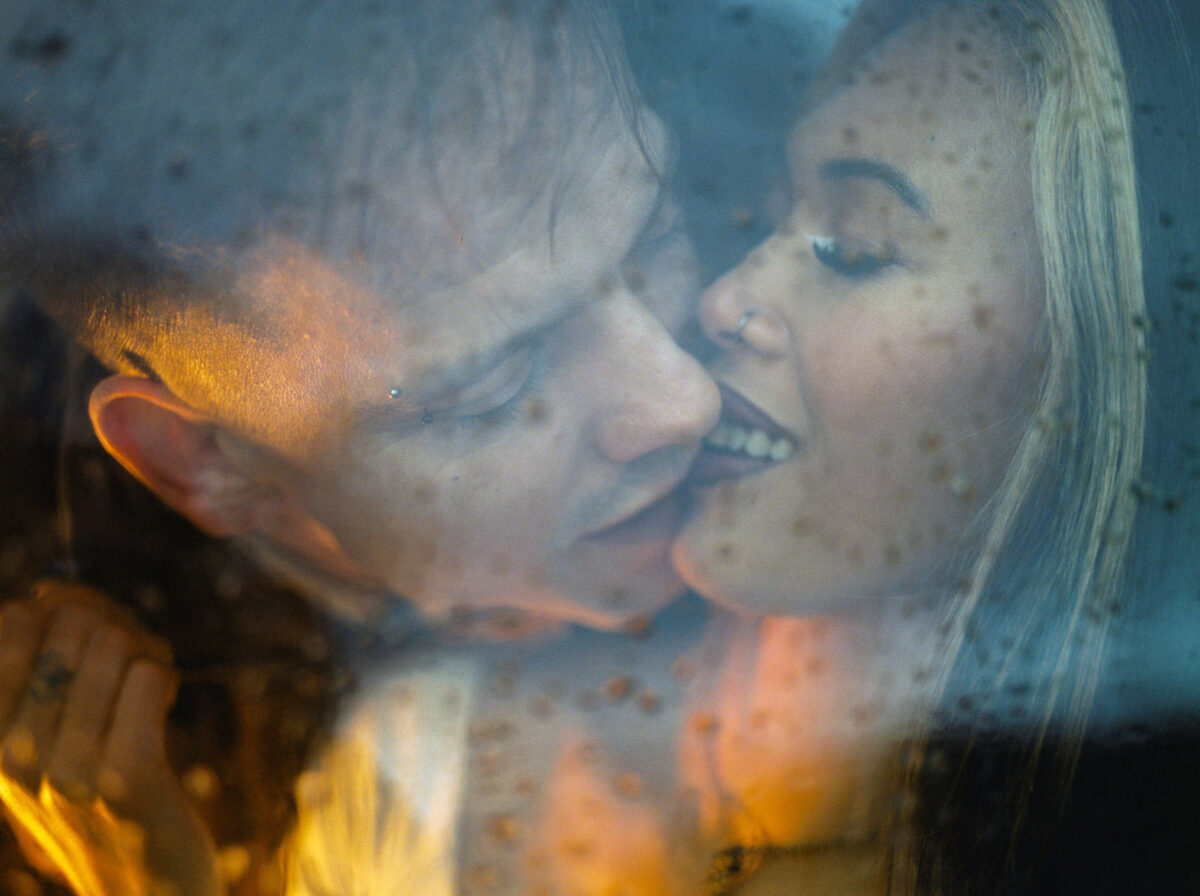
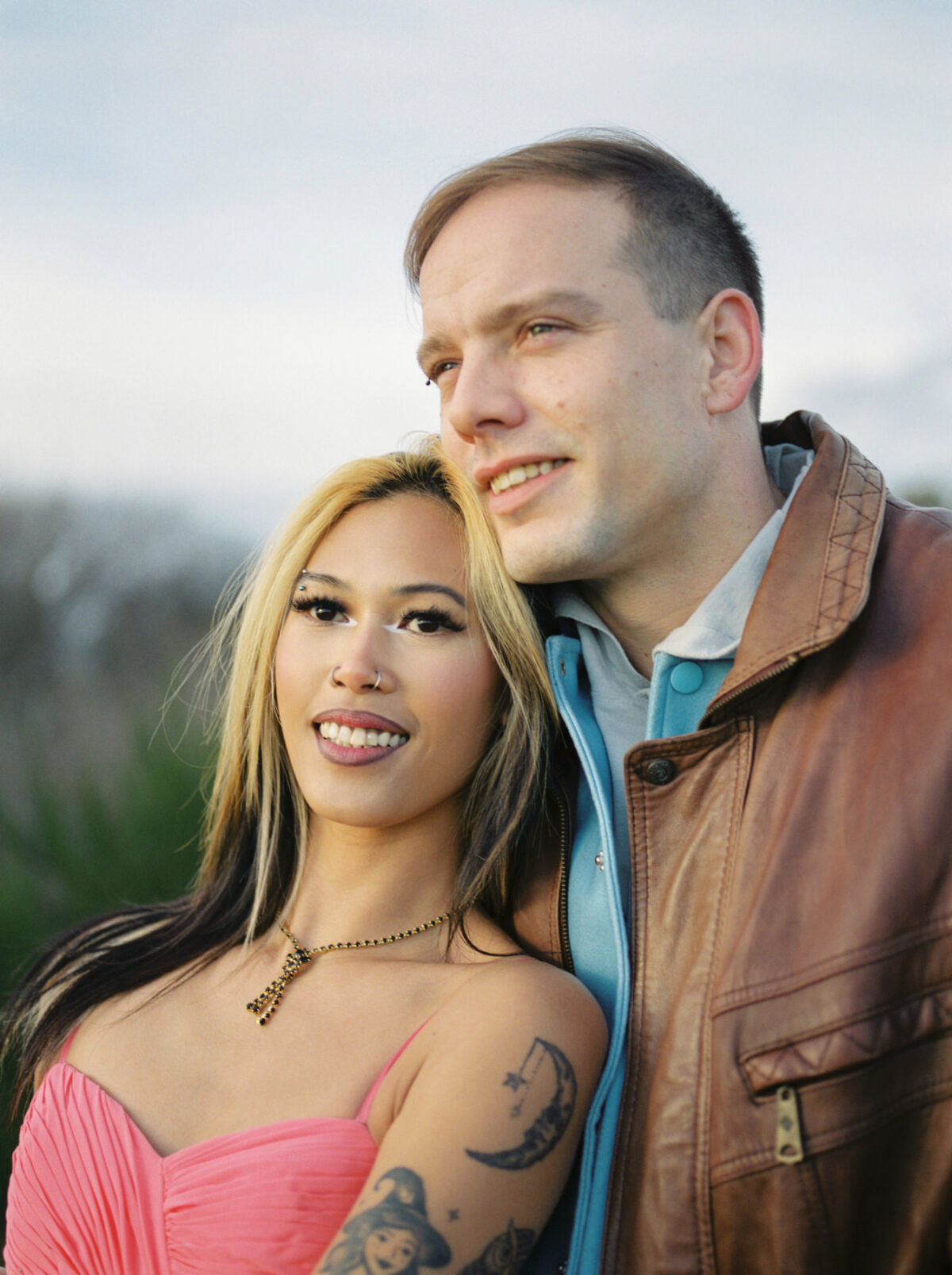
A lot of digital editing tries to mimic this look but always falls short. That’s because analog film is created by chemistry while digital uses megapixels. Film is imperfect, poetic and romantic with its grain and soft tones while digital is perfectly crisp, vivid and saturated with colour. When you see a digital photo that was made to look like film it’s because it required a lot of extra manipulation. With analog, I almost never need to edit my files.
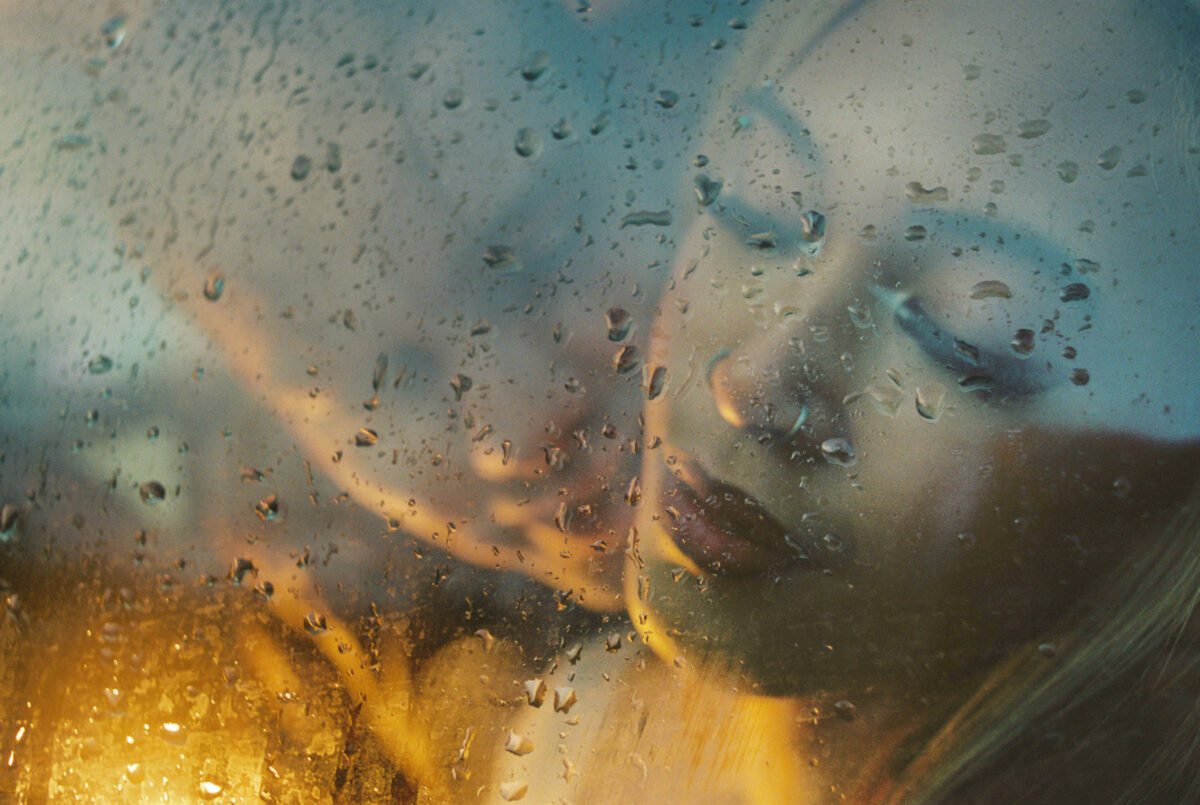
These two photos were taken in Mary and Matt’s car. The sun had already set so I had a video light on the dashboard creating a warm cinematic night-time glow. I used a larger negative film (Kodak Portra 400 120mm medium format) which can allow larger prints than many of today’s digital cameras.
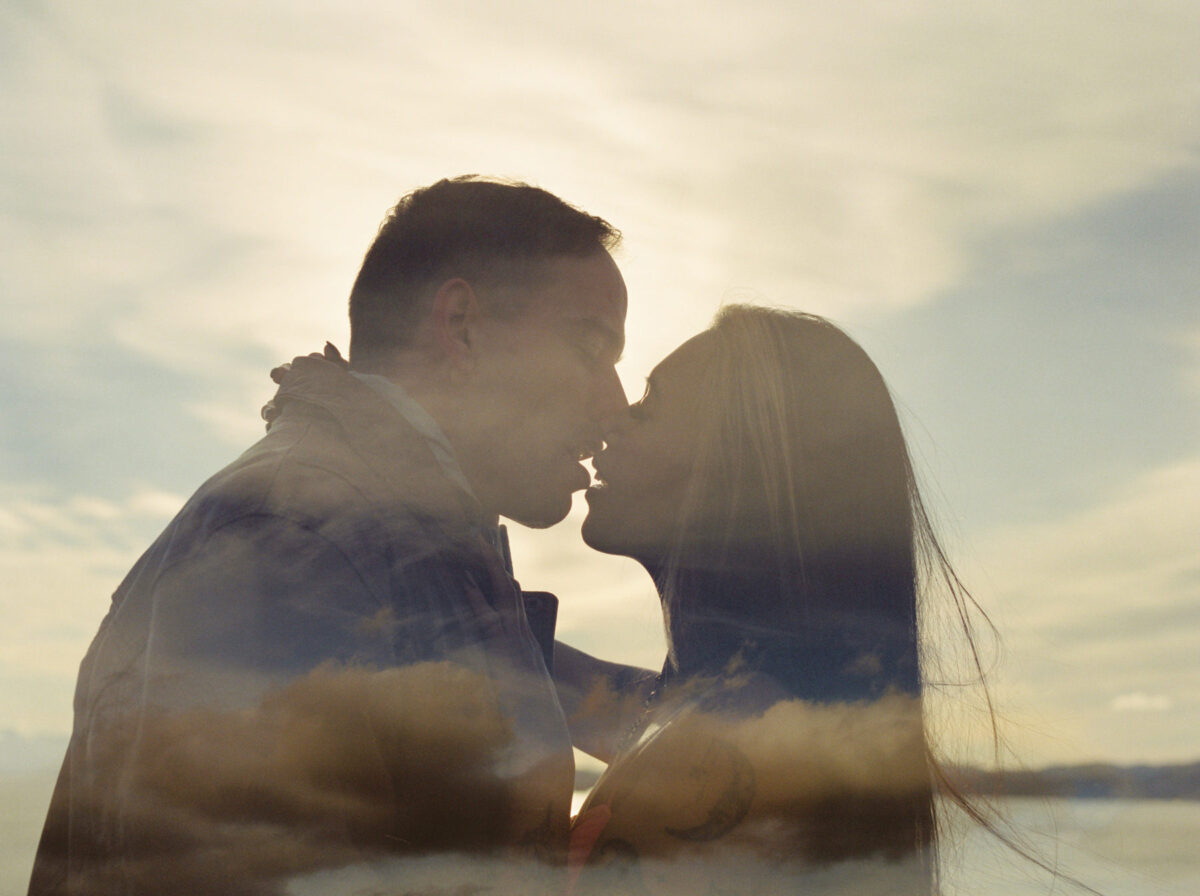
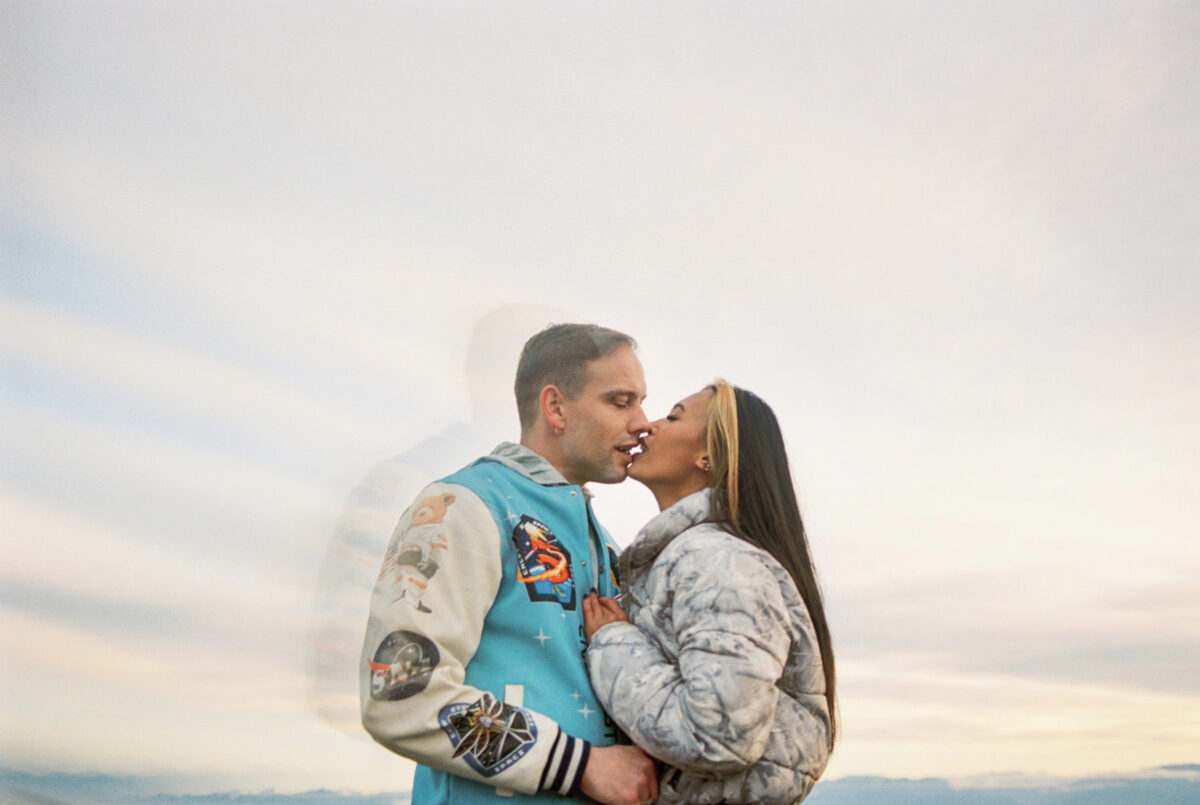
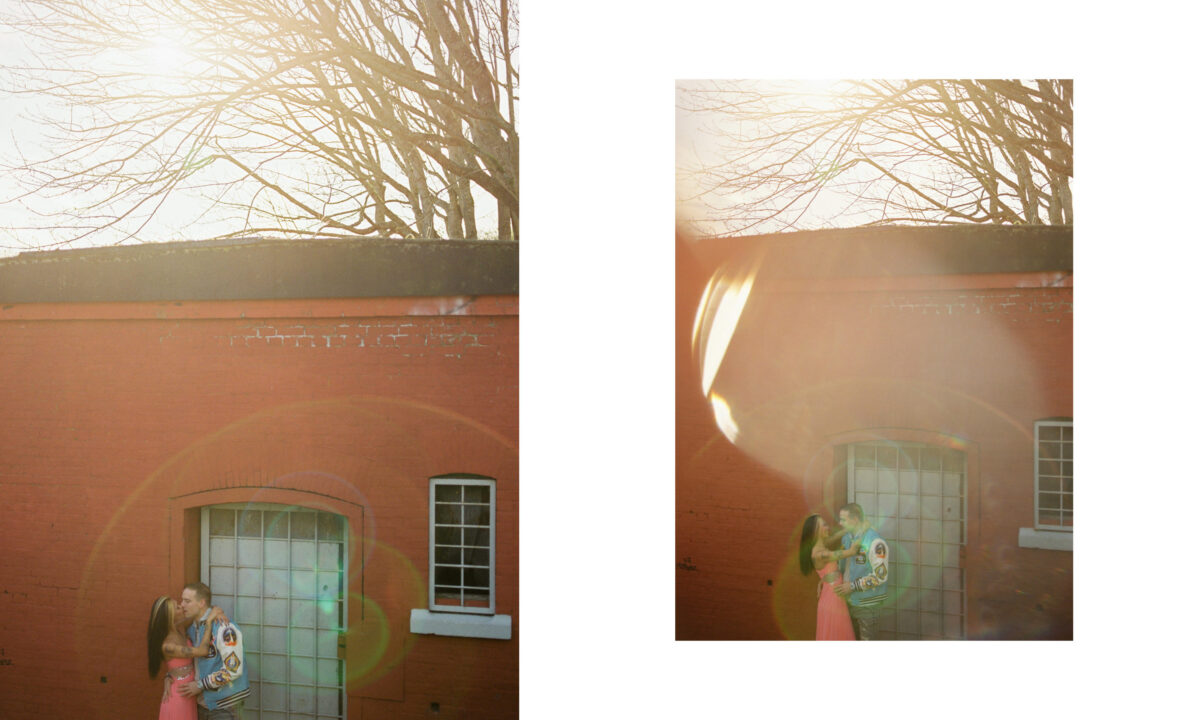
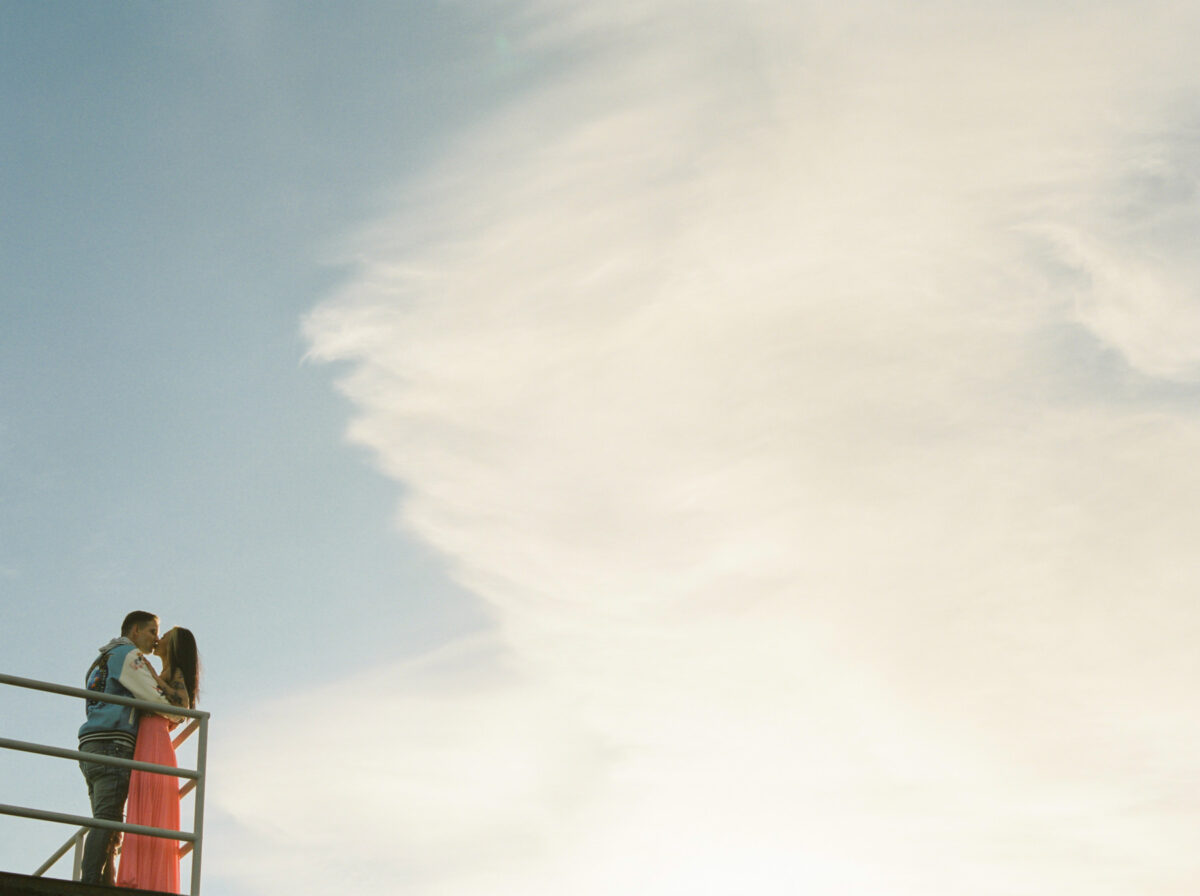
The next set of photos shows off the softness of film grain. Digital has what’s called “noise” which isn’t as flattering, requiring lots of extra editing. The first photo is a double exposure where one click was an almost silhouette of the couple while the second click was of the sky. It’s taken with Fuji400h, a film that’s no longer created and this roll expired in 2023. Shooting with expired film can create a washed out look, which can be fun to play with. I only use experimental film with people who want something more artistic. The rest of this set is taken with Portra 400 with combination of standard 35mm and 120mm negatives. All effects were created within the camera using lens filters and reflective objects.
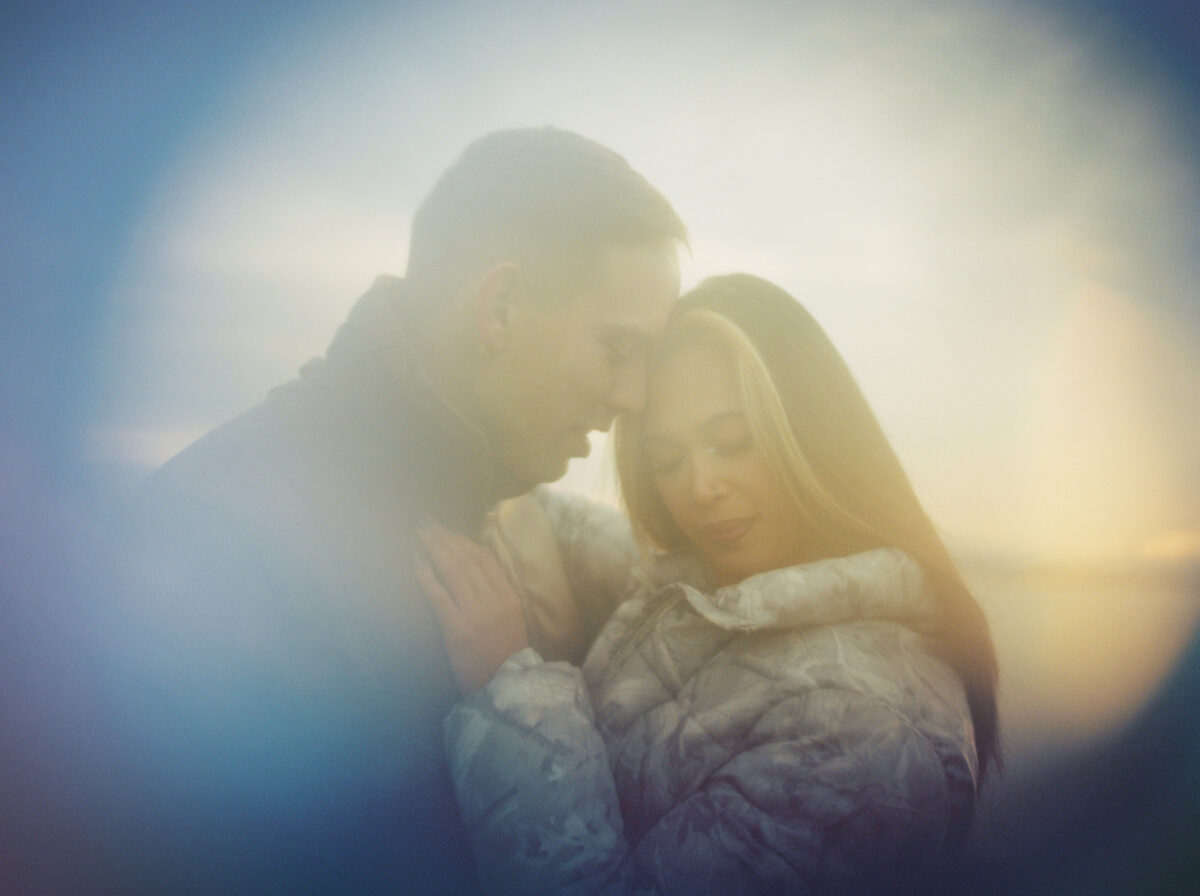
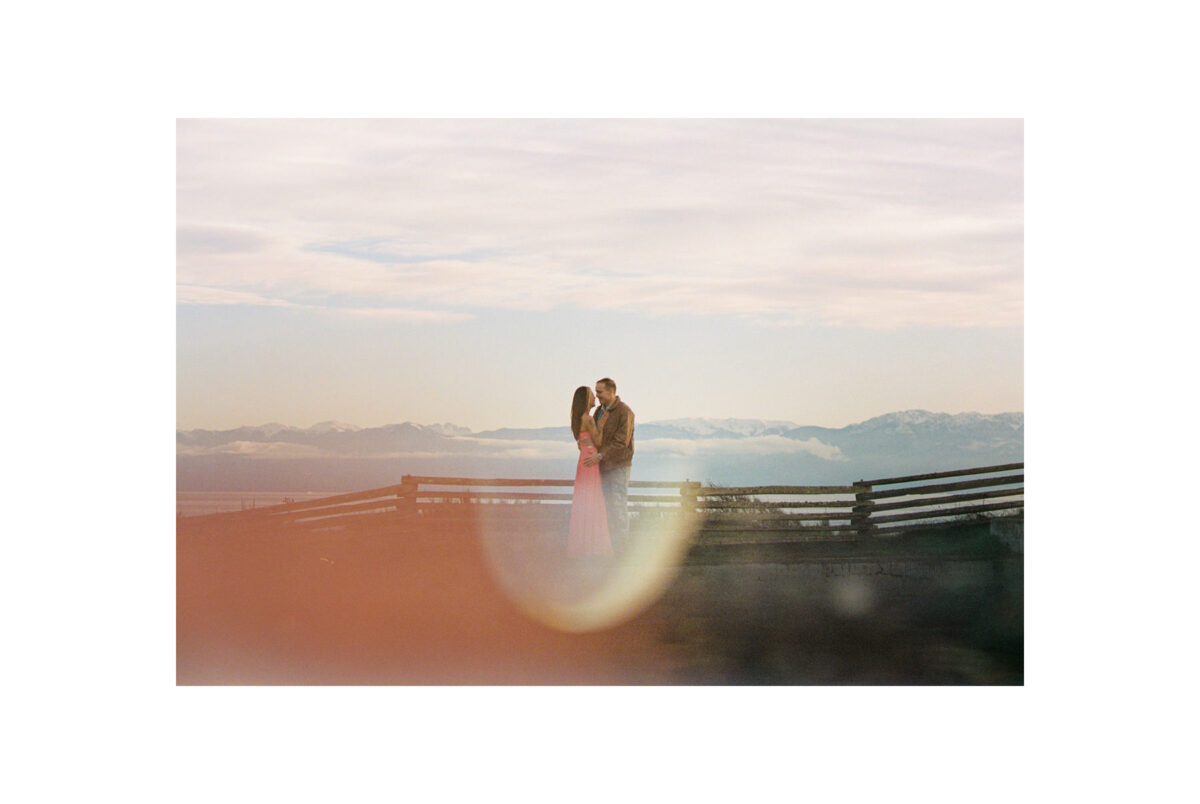
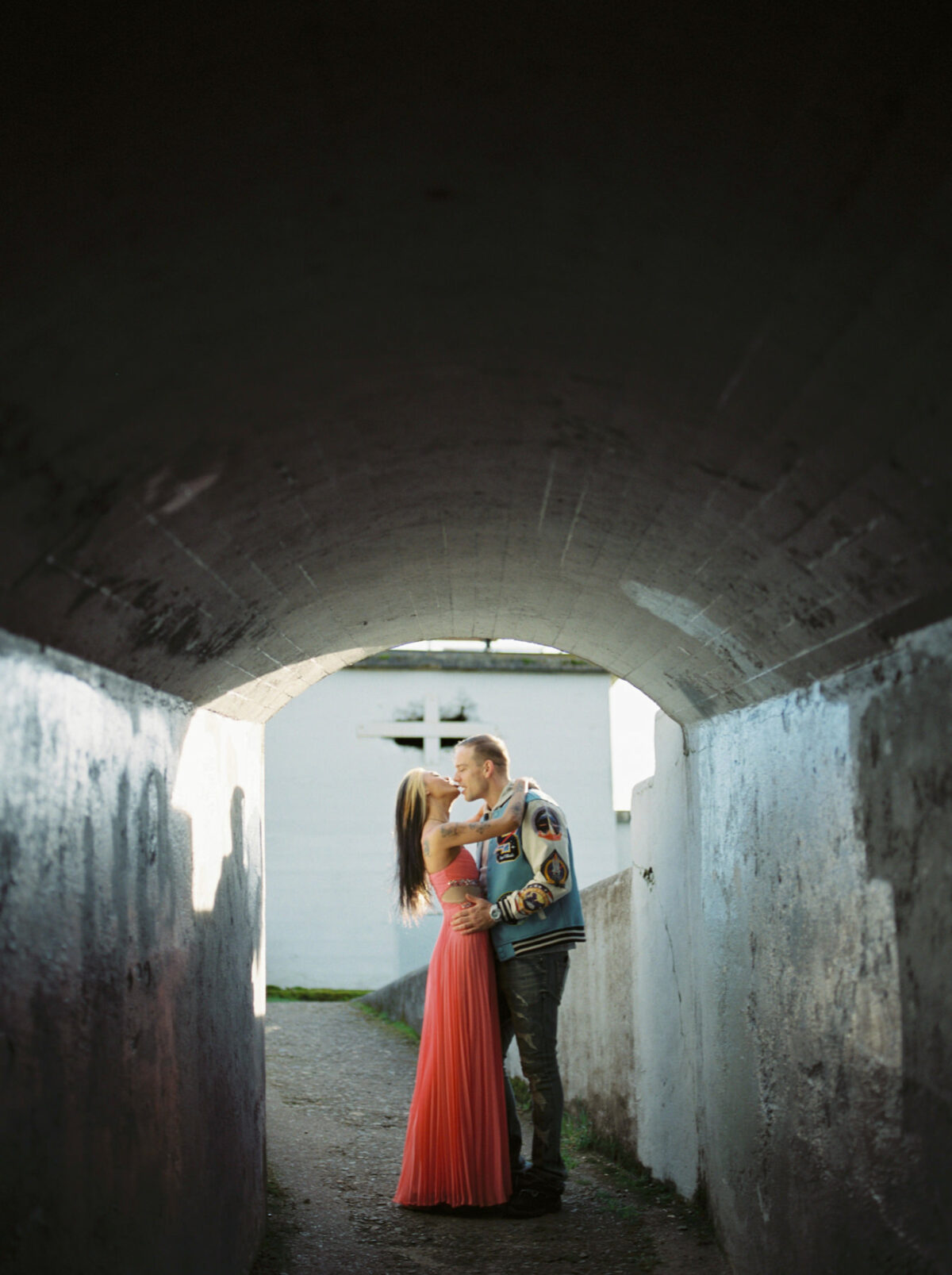
The next few photos show off something negative film can do that digital can’t – embrace the highlights. With digital, if your exposure gets too bright then the highlights disappear, but you can often bring up a lot more detail in the shadows. With film the opposite is true. You can over-expose by up to four or five stops of light and it just makes highlights softer. However, if you under expose, you’ll get muddy-looking pictures. After 20 years of mostly photographing digital, it’s been refreshing to incorporate a medium that celebrates brightness. The first two photos are over-exposed by three stops using medium format 120mm Kodak Portra 400 film with my Pentax 645 camera. The third set of two images are over-exposed by one stop using the same film, but with my 35mm Nikon camera.
Again, no editing needed. I work with an amazing professional lab (the Canadian Film Lab in Hope BC) who develop then scan my negatives. These are exactly how they came back to me and they needed no additional adjustments. Mary and Matthew have great skin, but any skin texture is softened jus by the nature of the film and the grain. When clients request film (or a combination of film + digital), they always receive both the tangible negative plus the digital scan.
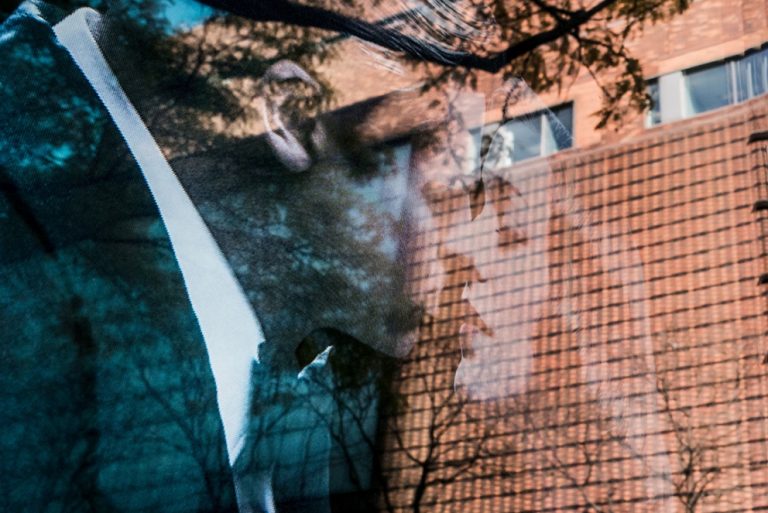
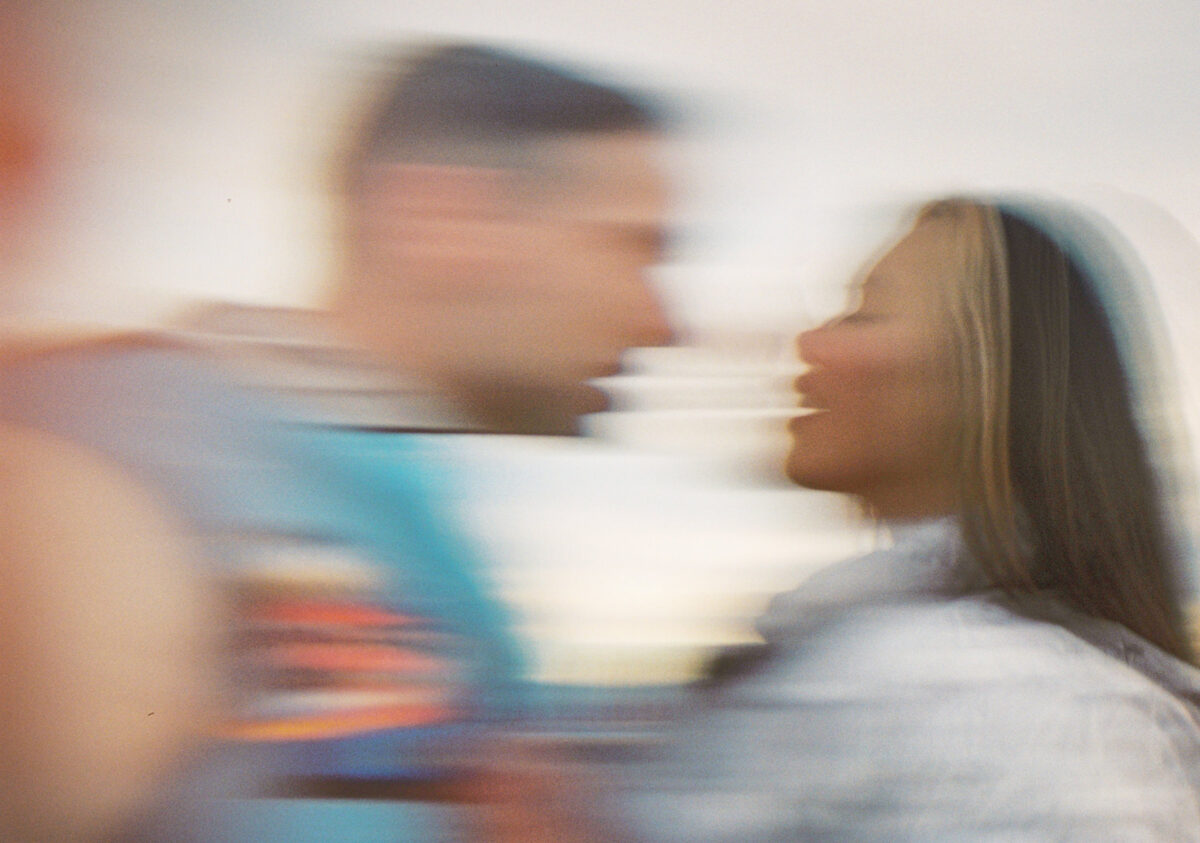
Mary and Matt are a creative couple and they wanted lots of abstract photos of themselves to use as art for their wall. All of the effects below are done within the camera with no AI or fancy Photoshop using motion blur, reflective objects and special effects lens filters. The following photos were taken with a mix of 35mm and 120mm Kodak Portra film.
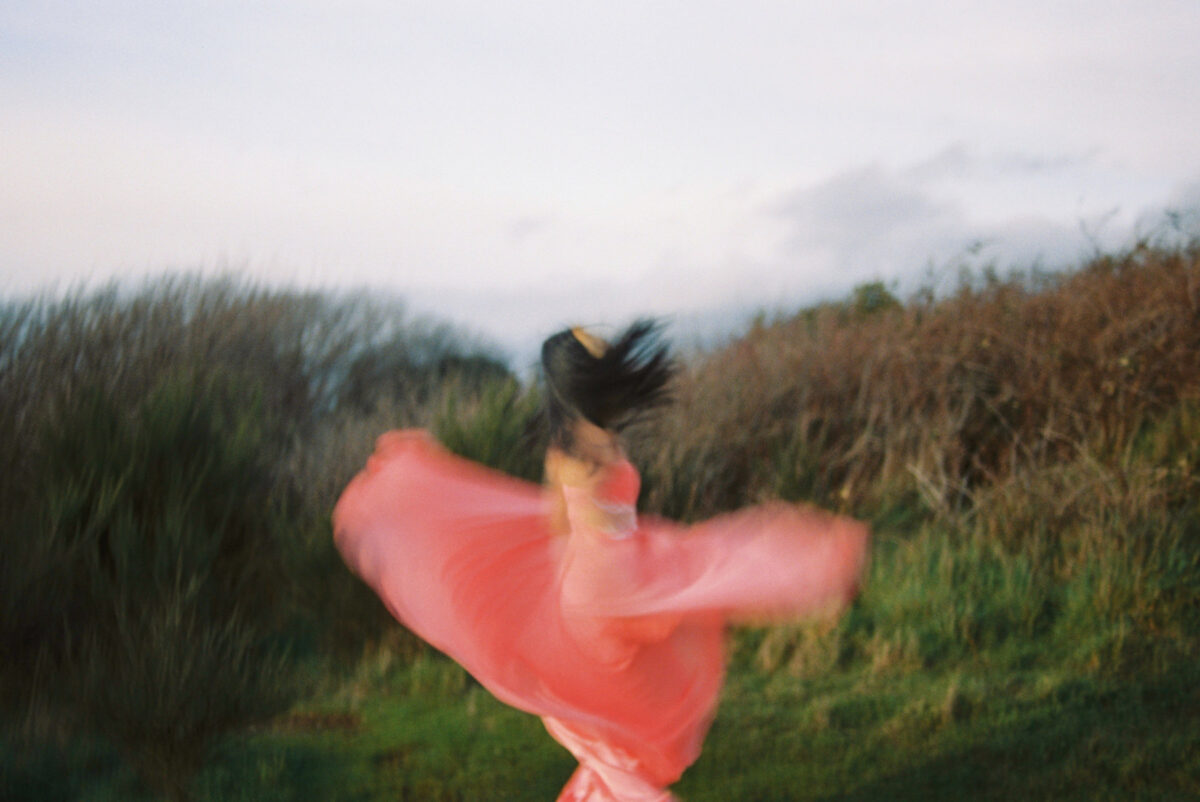
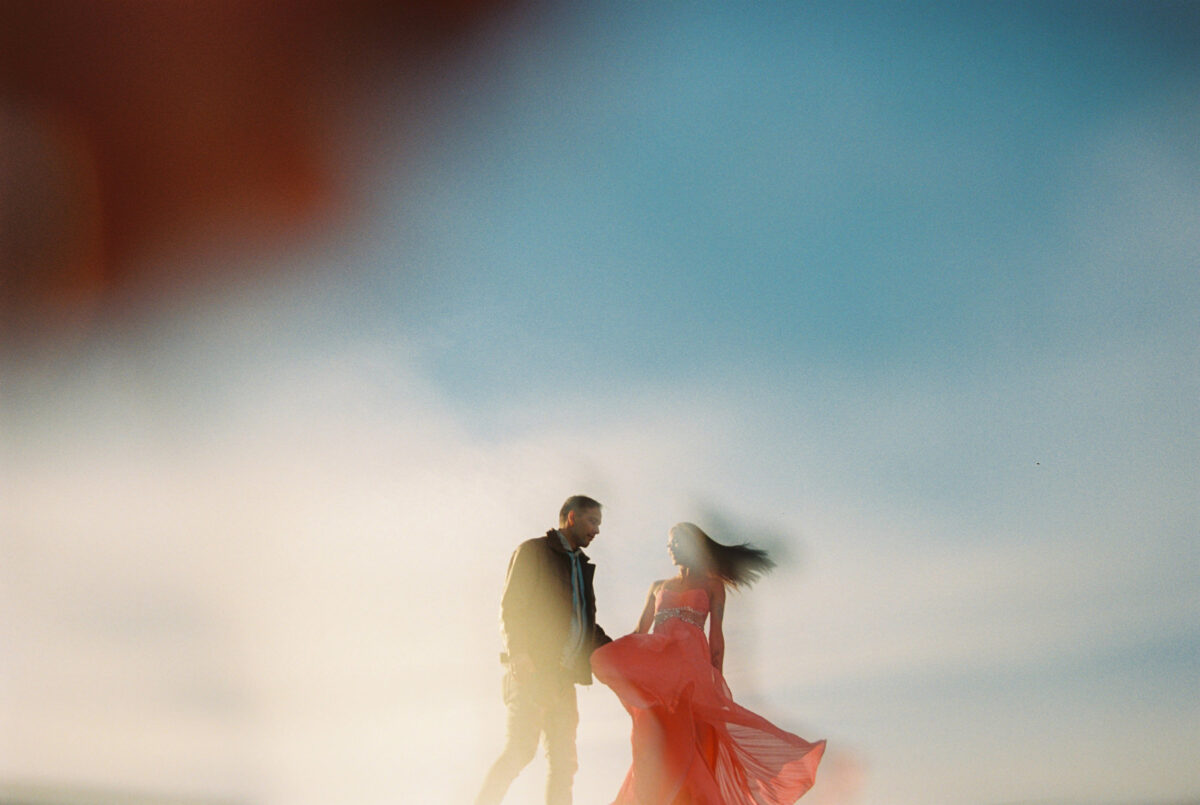
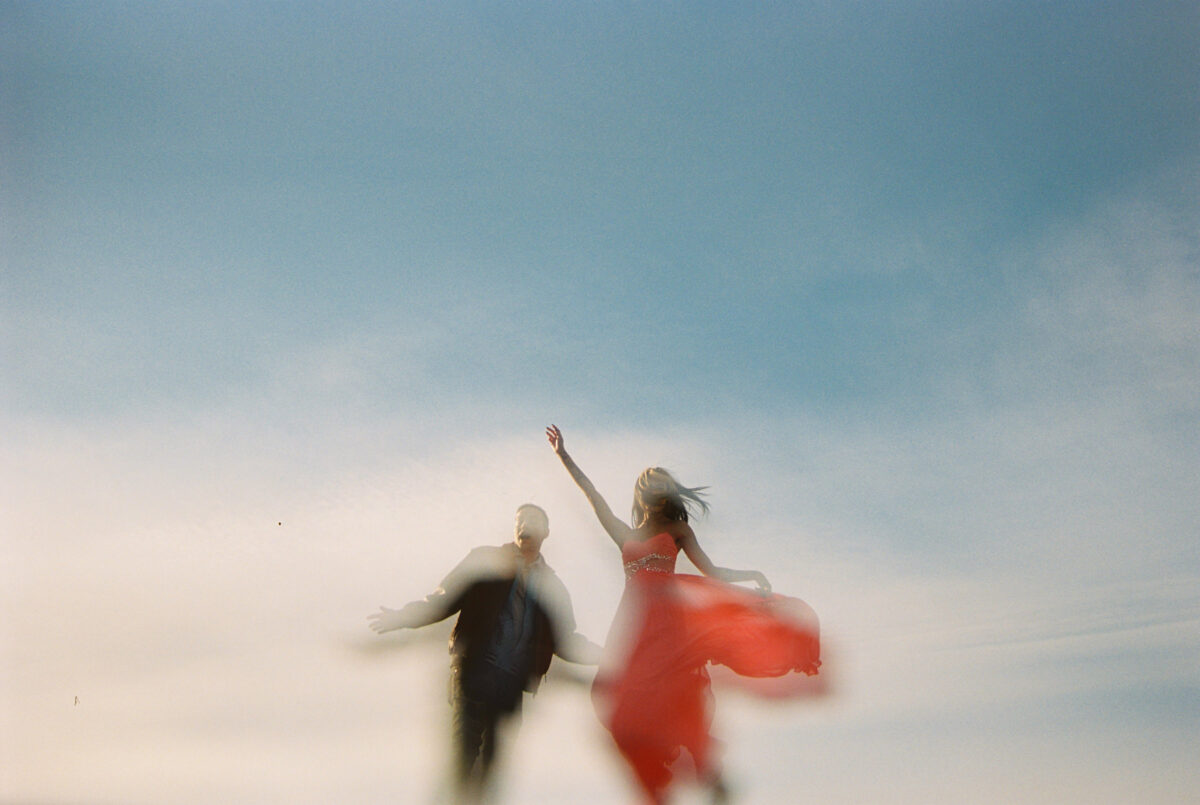
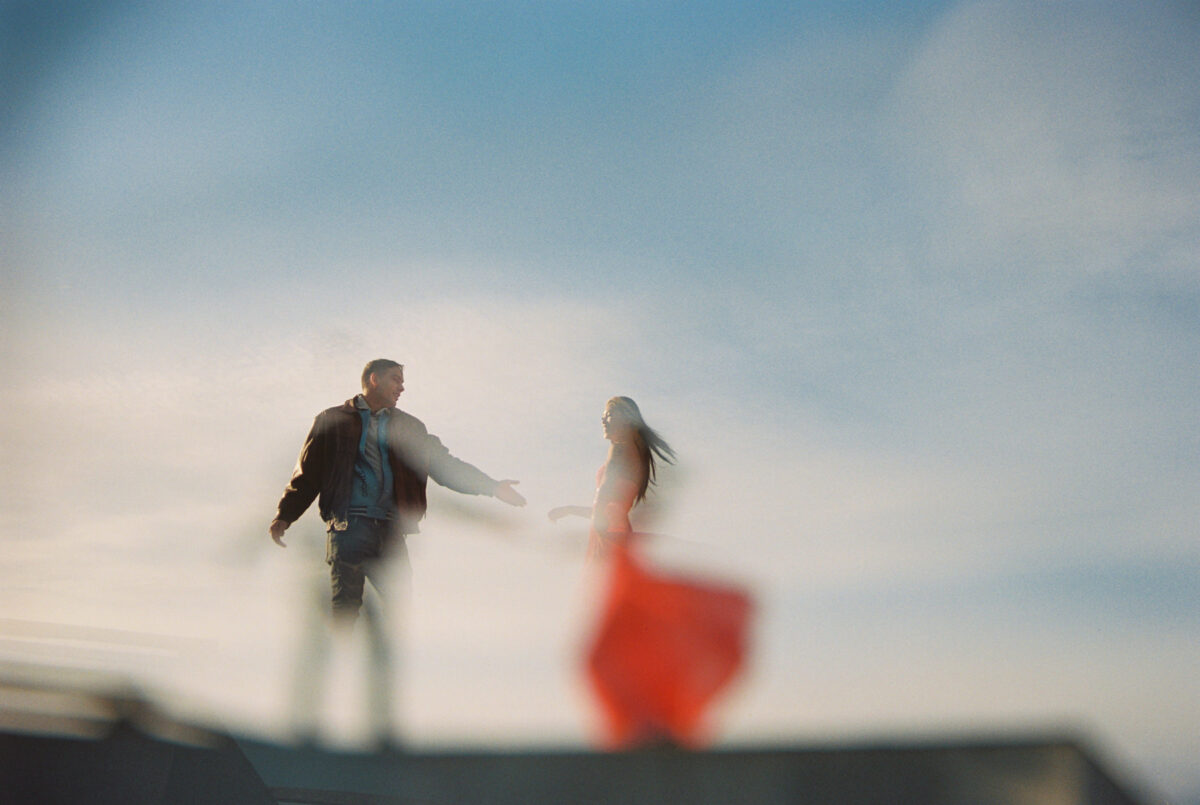
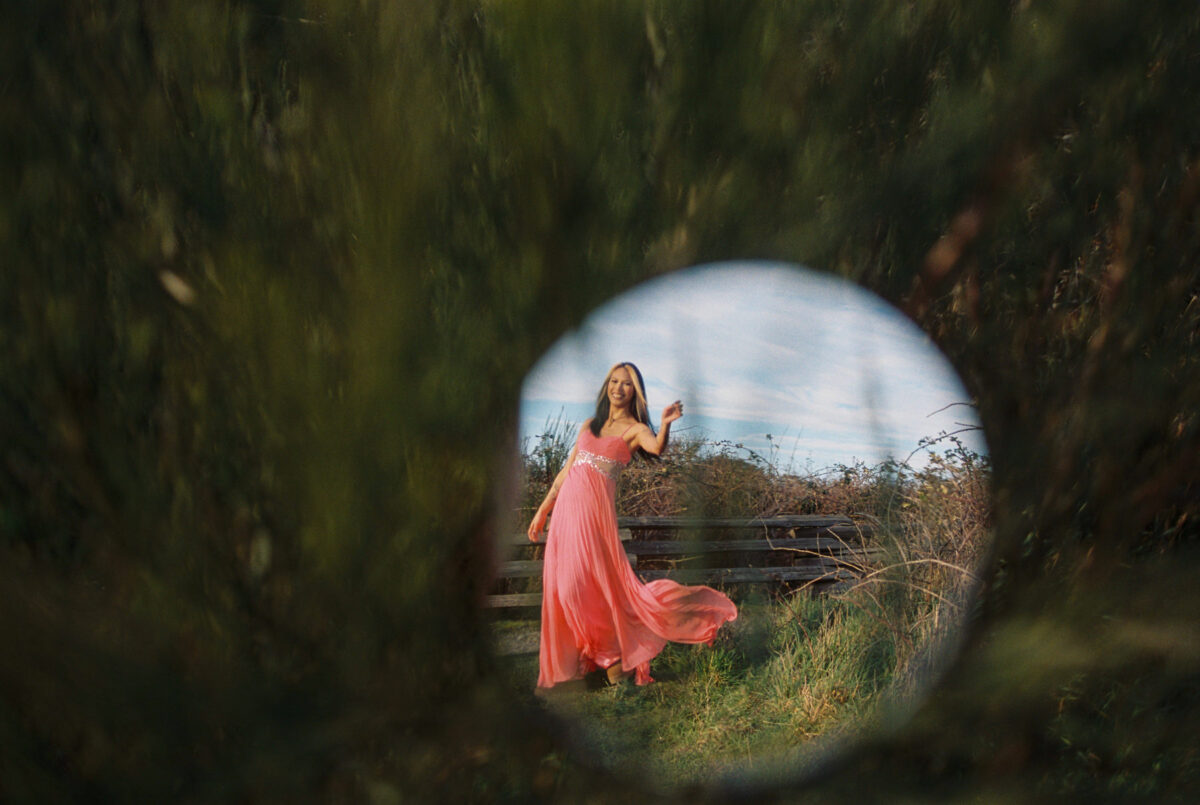
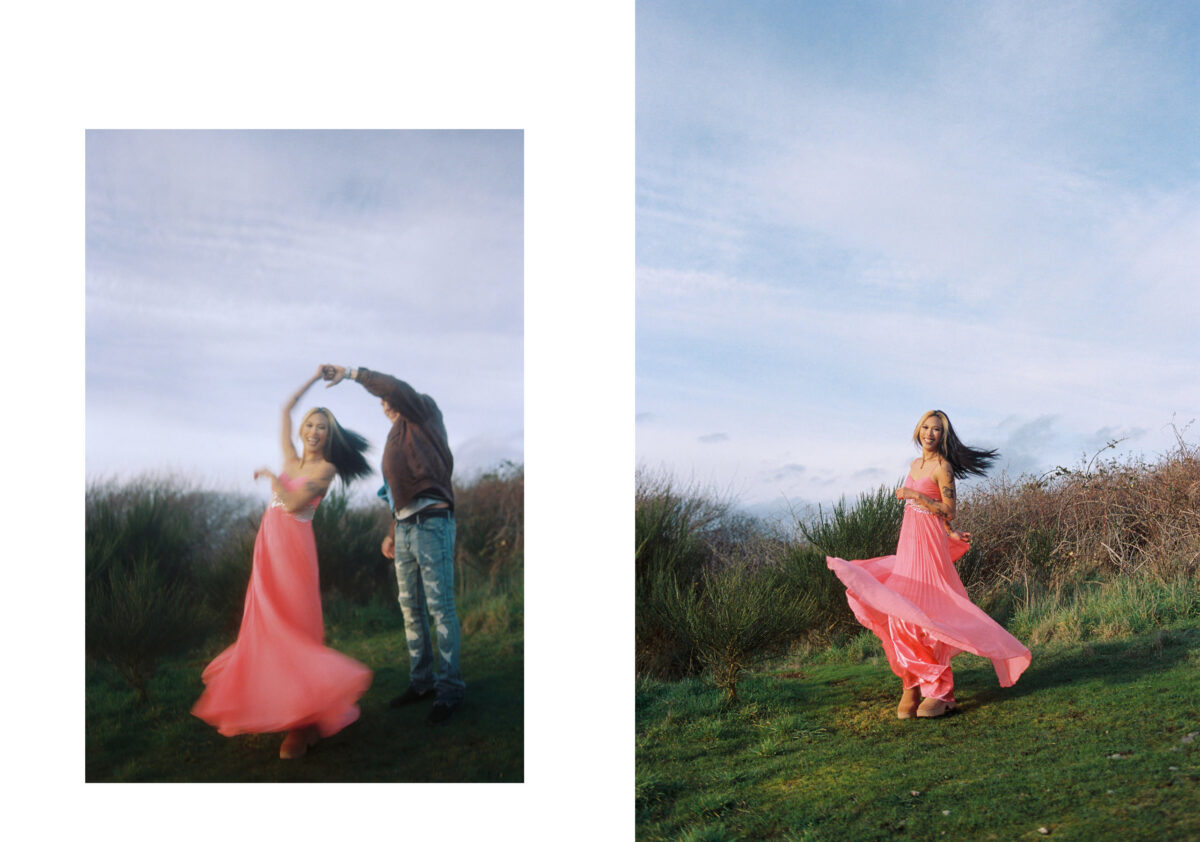
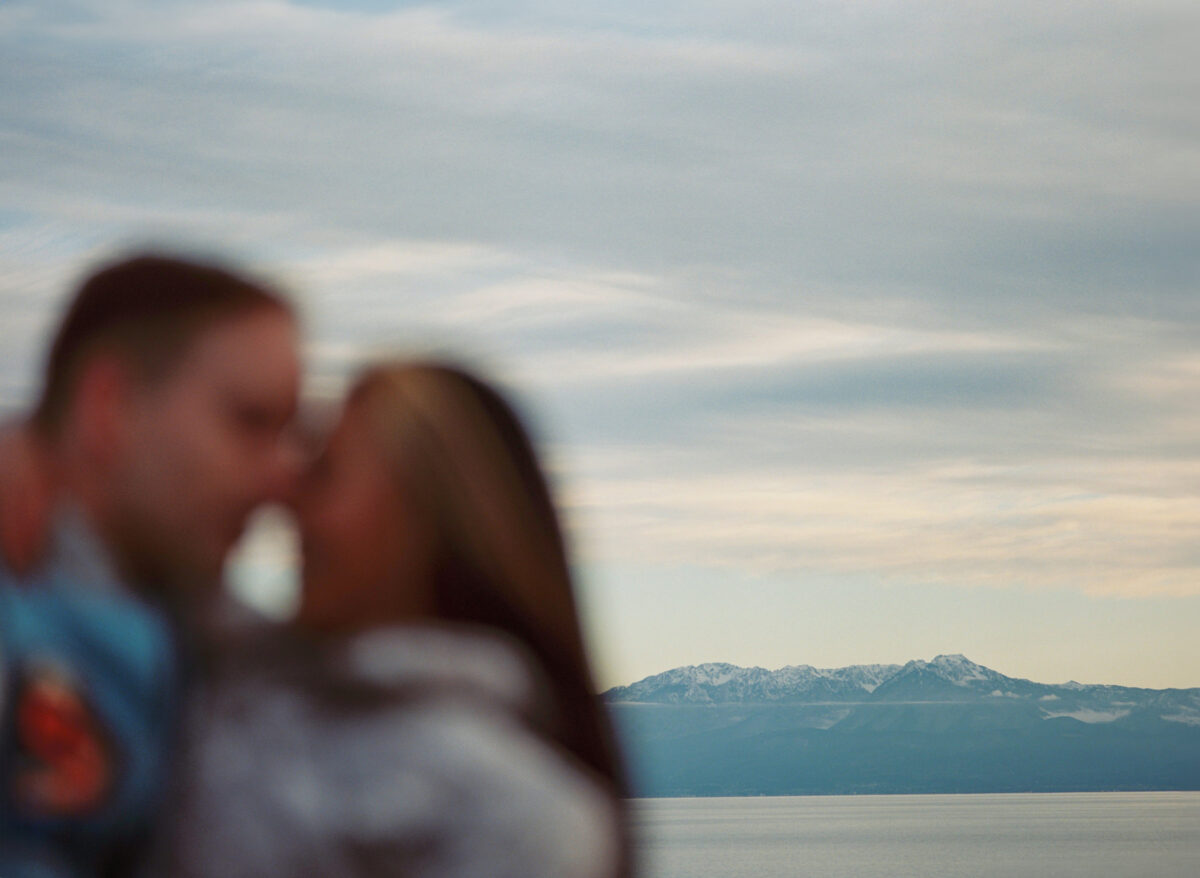
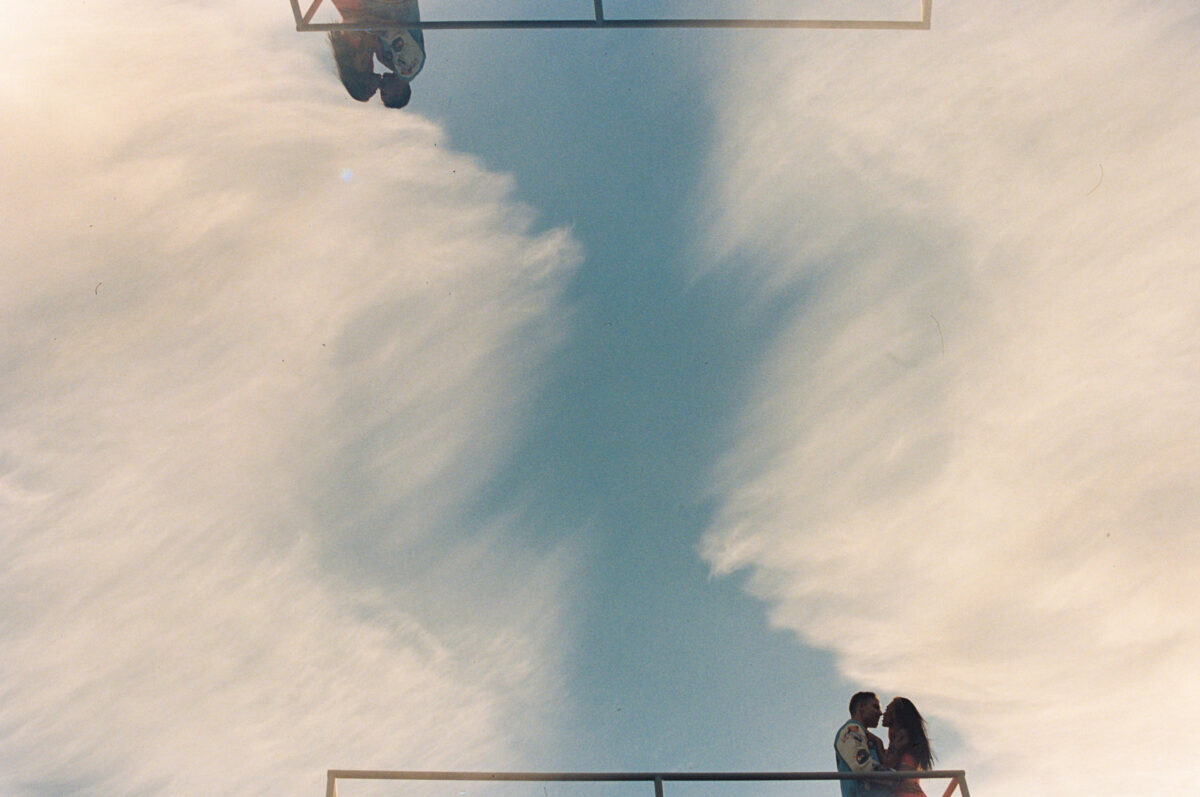
Last, but certainly not least, are some more photos taken with the expired Fuji400h 120mm medium format film. Another thing I really like about using my Pentax 645nii medium format camera is that the negatives are 6×4.5 cm which is a different aspect ratio than traditional 35mm 4×6 photos.
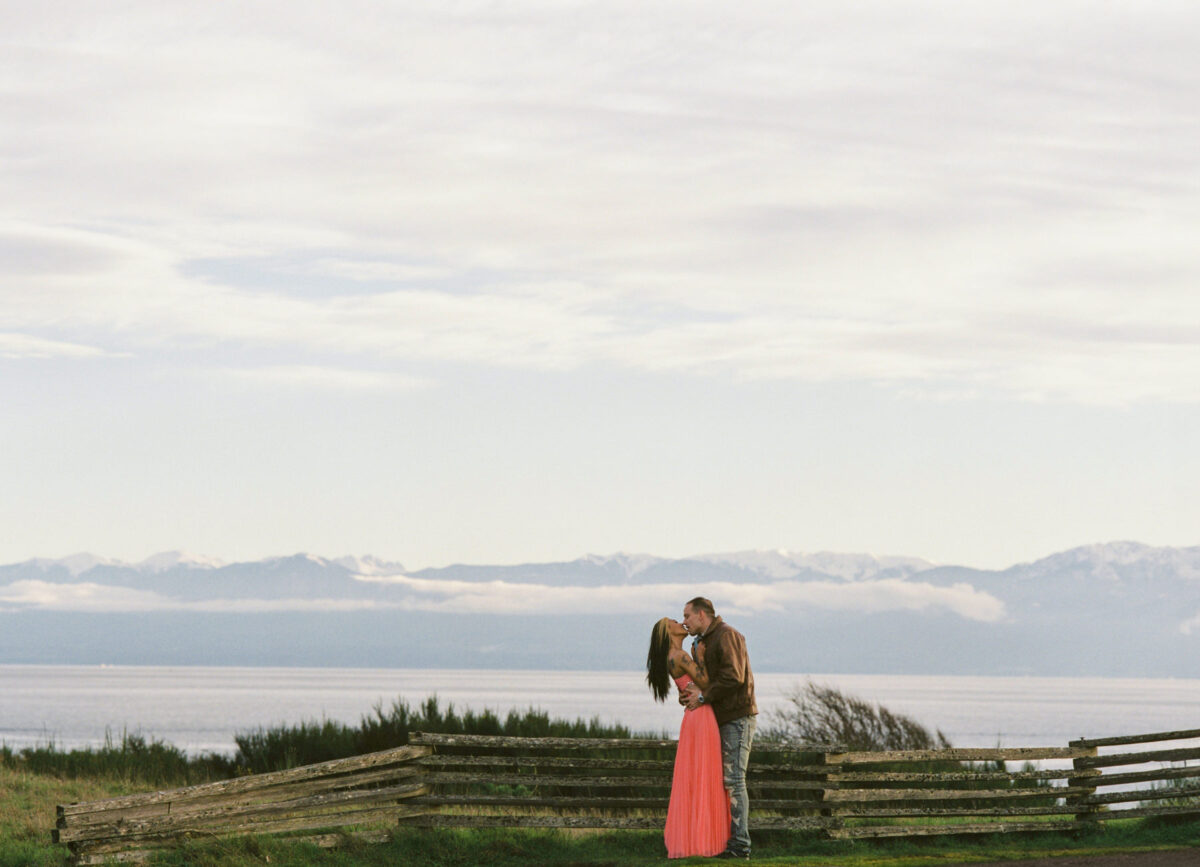
So, what do you think? Would you like your engagement portraits or anniversary photos captured using film, or maybe a combination of film + digital? Or would you prefer digital only? It’s your choice and I make it super easy for your taste and style to come to life. Get in touch and I’ll tell you more!